From Soil to Stewardship: A Year of Learning at Dew of Heaven Children’s Garden— Part 2
Large gardens often begin with small systems.
Before ground was broken for raised beds or soil was delivered, participants at Dew of Heaven Children’s Garden began learning about soil health through a compact but powerful tool: a worm farm. This hands-on system introduced participants to decomposition, nutrient cycling, and the role of living organisms in food systems—without requiring land.
The worm farm became an early lesson in responsibility, observation, and systems thinking.
Farming Without Land
Participants were introduced to vermicomposting as a way to turn food scraps into nutrient-rich material that supports plant growth. The setup demonstrated that agriculture is not limited to acreage; it can begin on a countertop or in a bin.
By building the system from the ground up, participants learned that successful growing environments depend on structure, balance, and care.
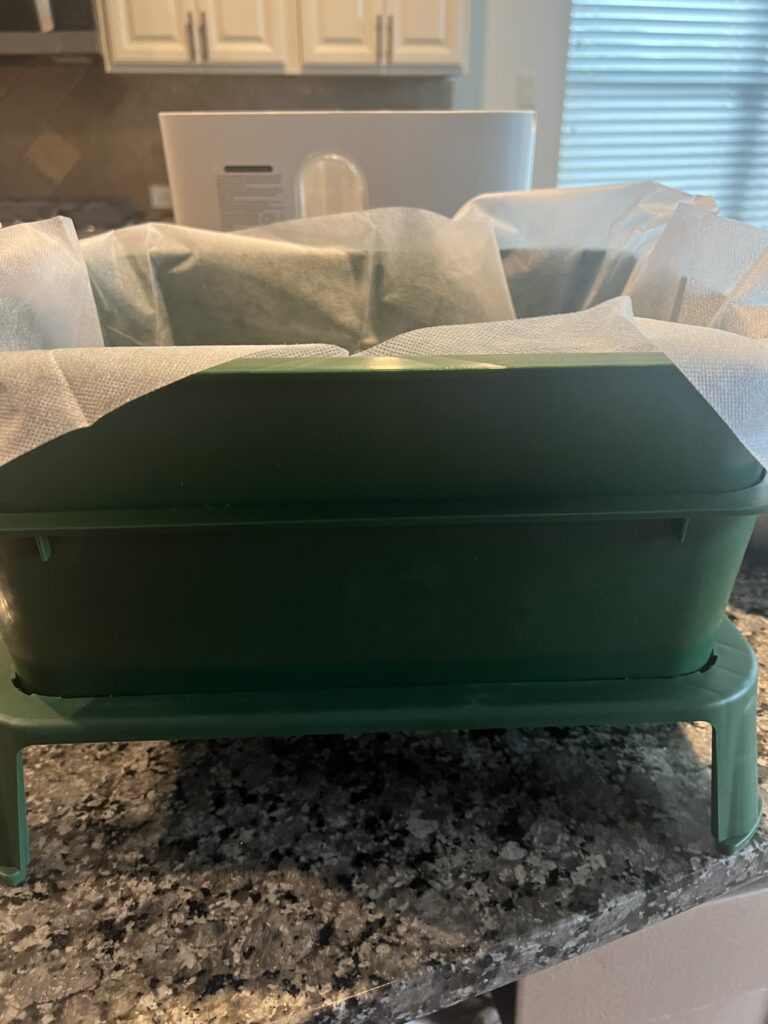
Building the Worm Habitat
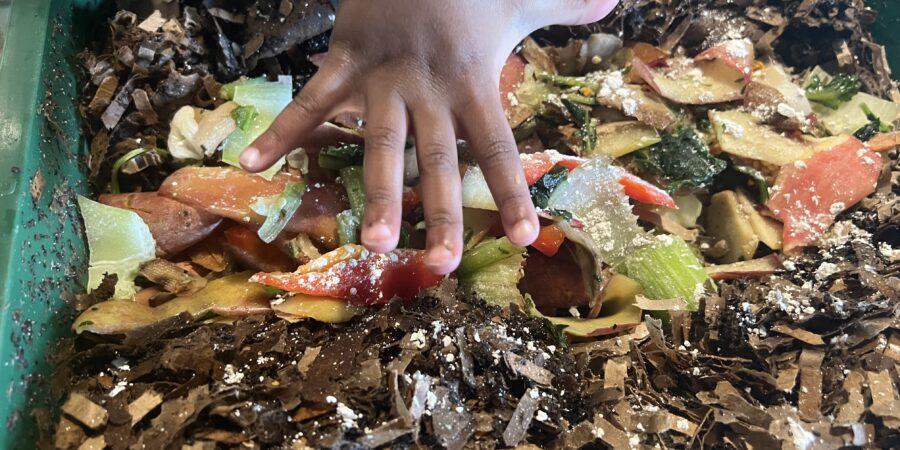
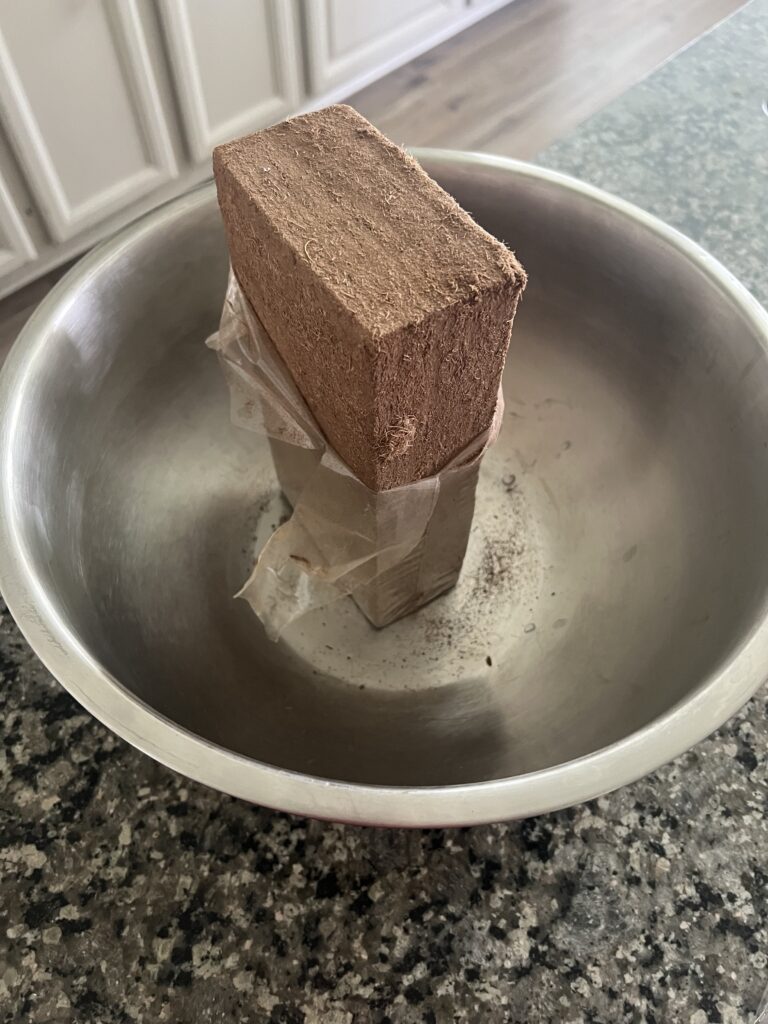
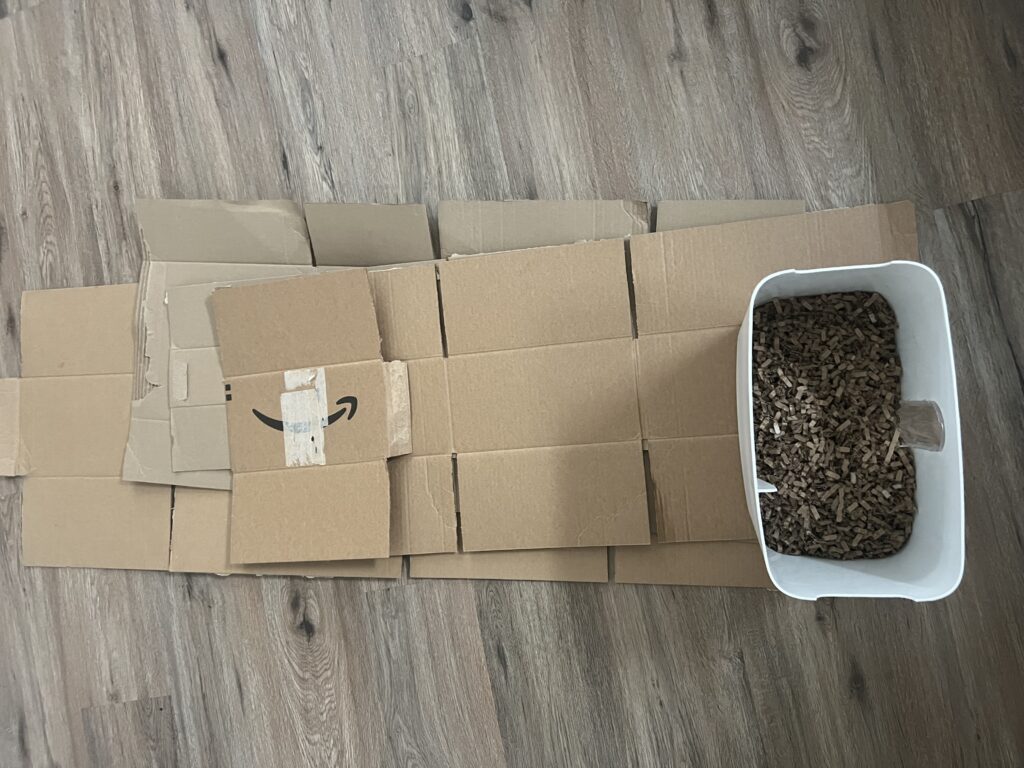
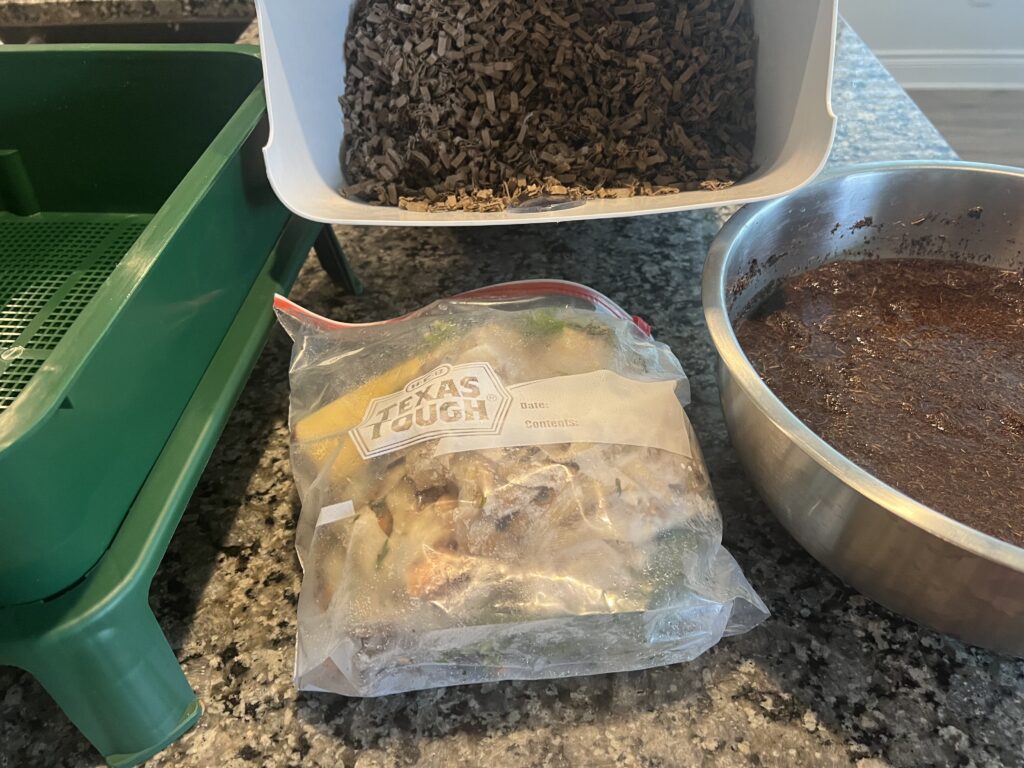
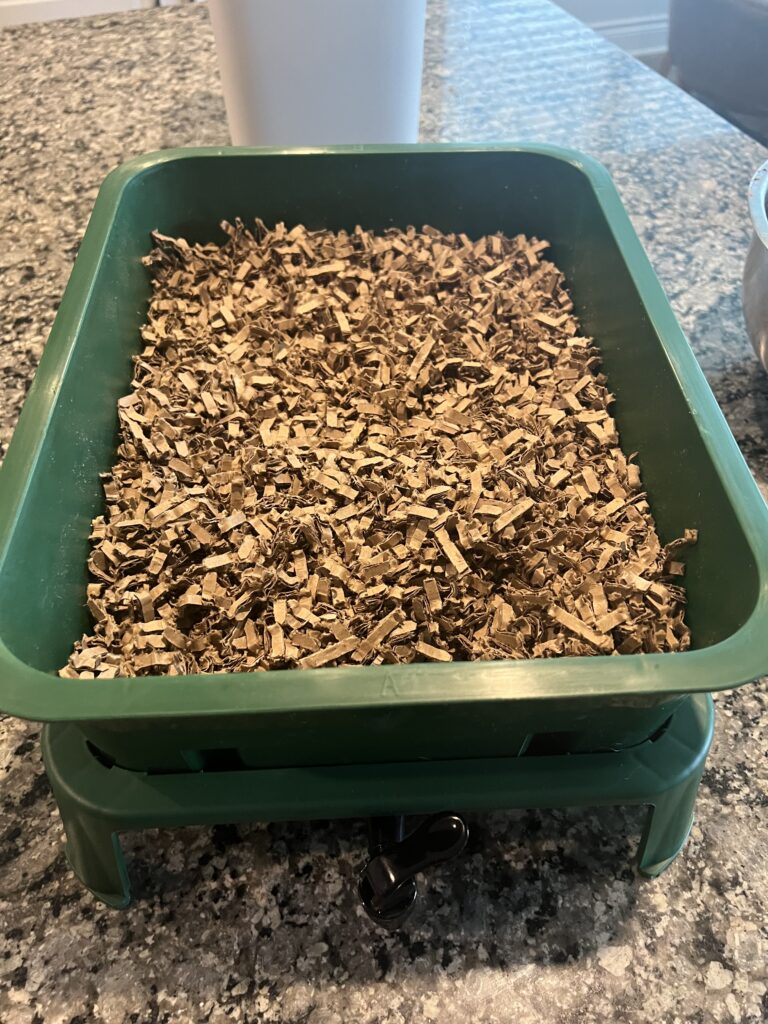
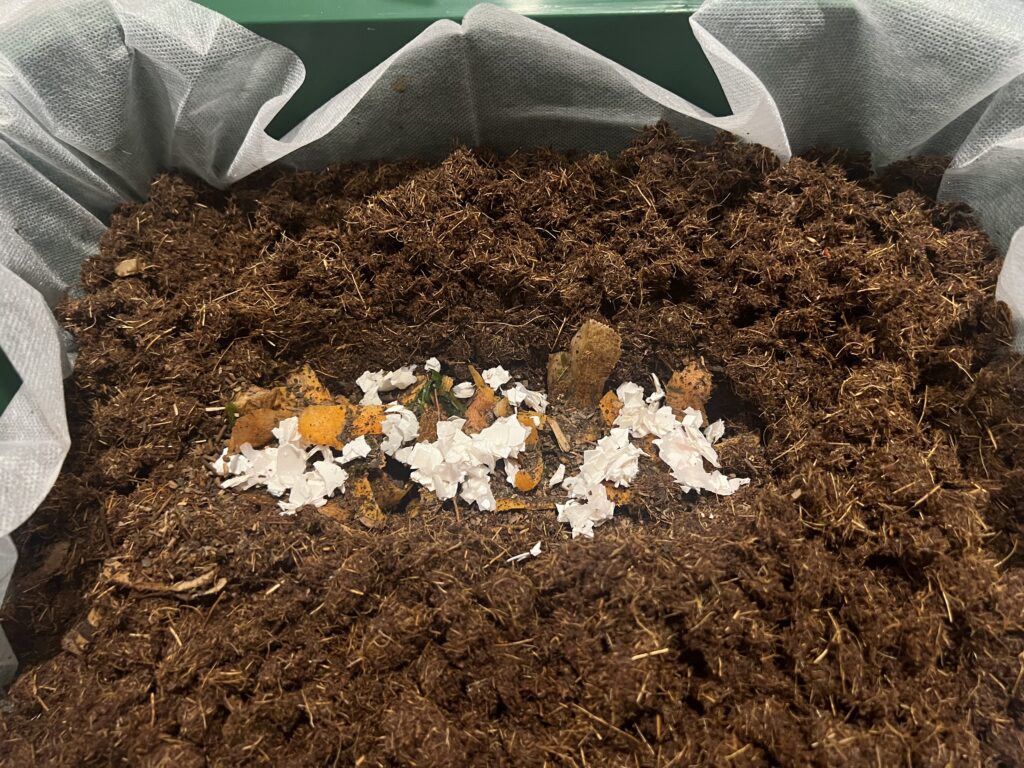
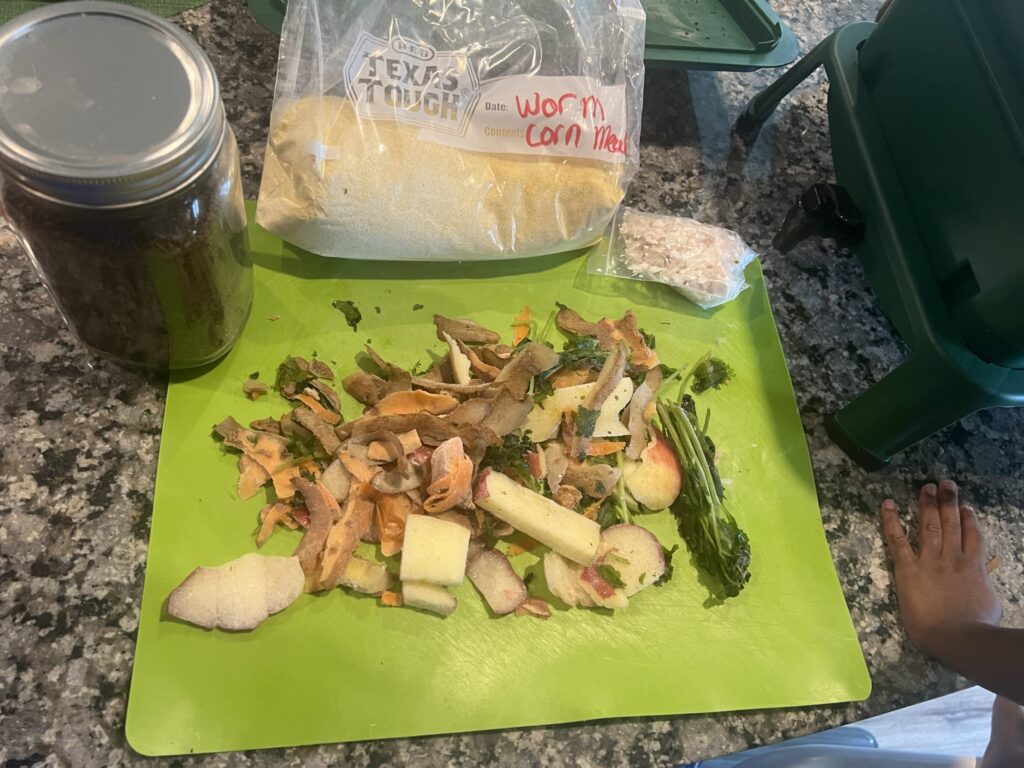
Setting up the worm farm required intentional layering. Participants prepared bedding materials, added moisture, and learned why worms need both “browns” (carbon-rich materials) and “greens” (food scraps) to thrive.
Eggshells were saved, crushed, and incorporated to help balance acidity and provide grit—introducing participants to pH awareness and mineral inputs in soil systems.
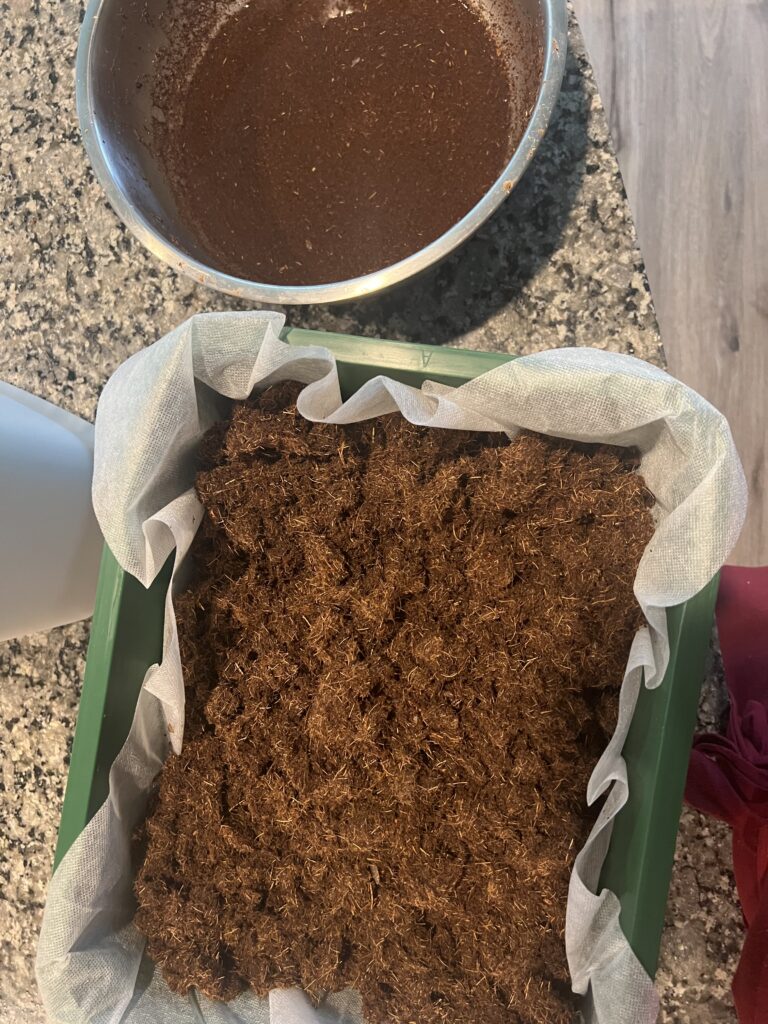
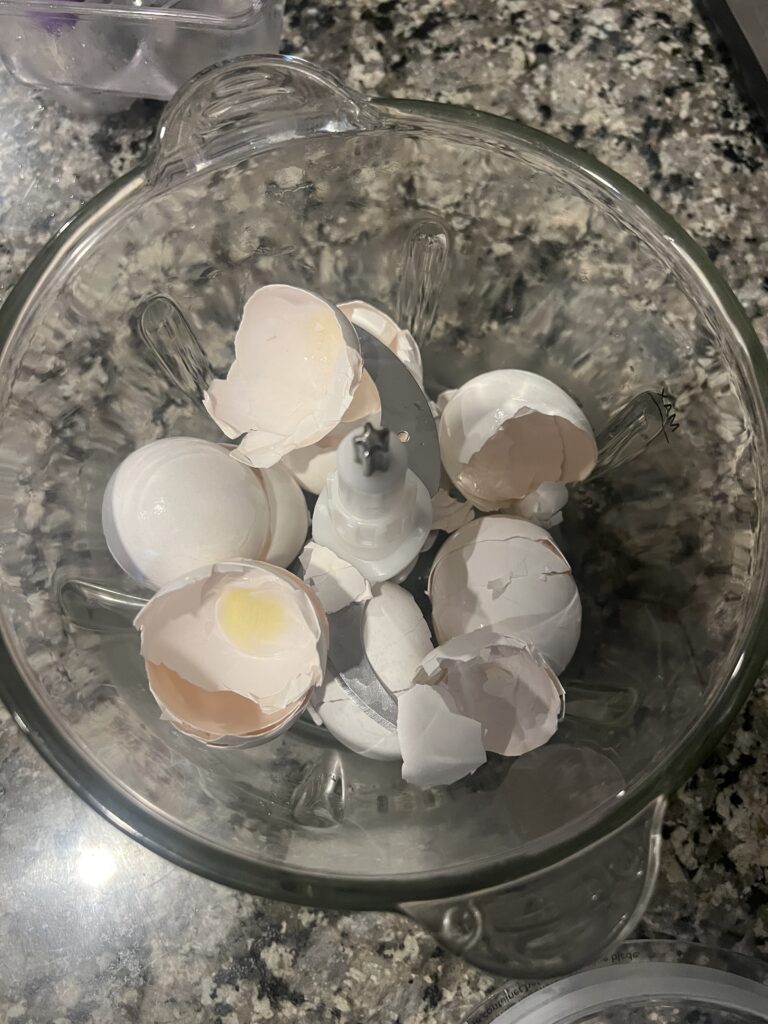
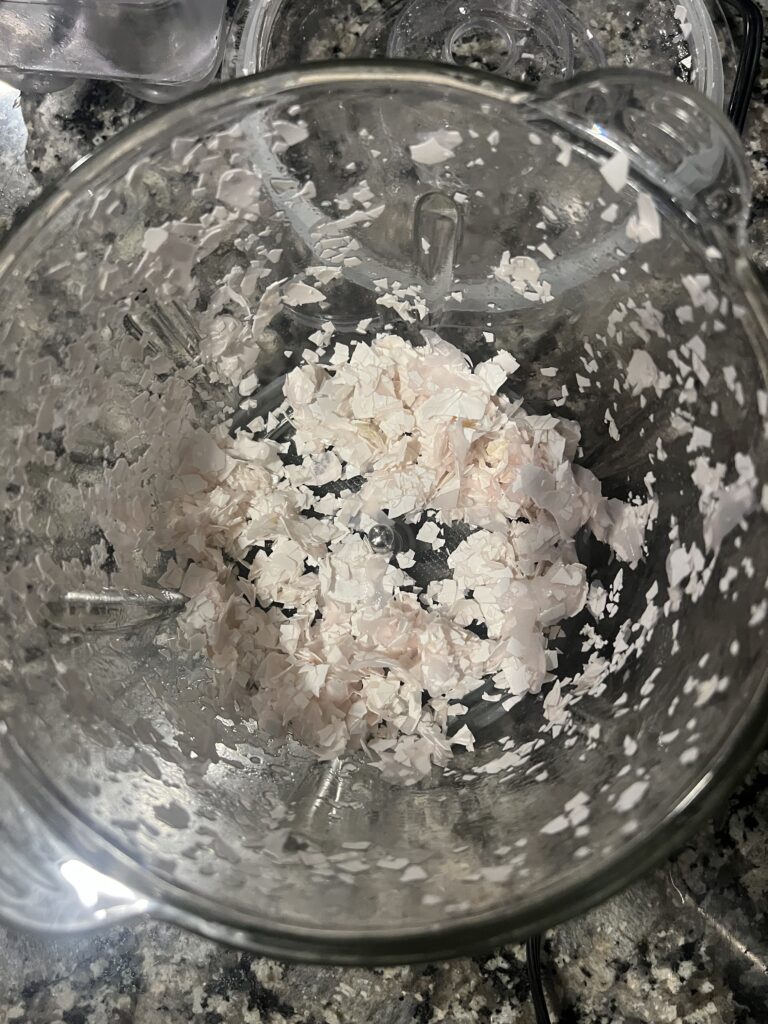
Introducing the Worms
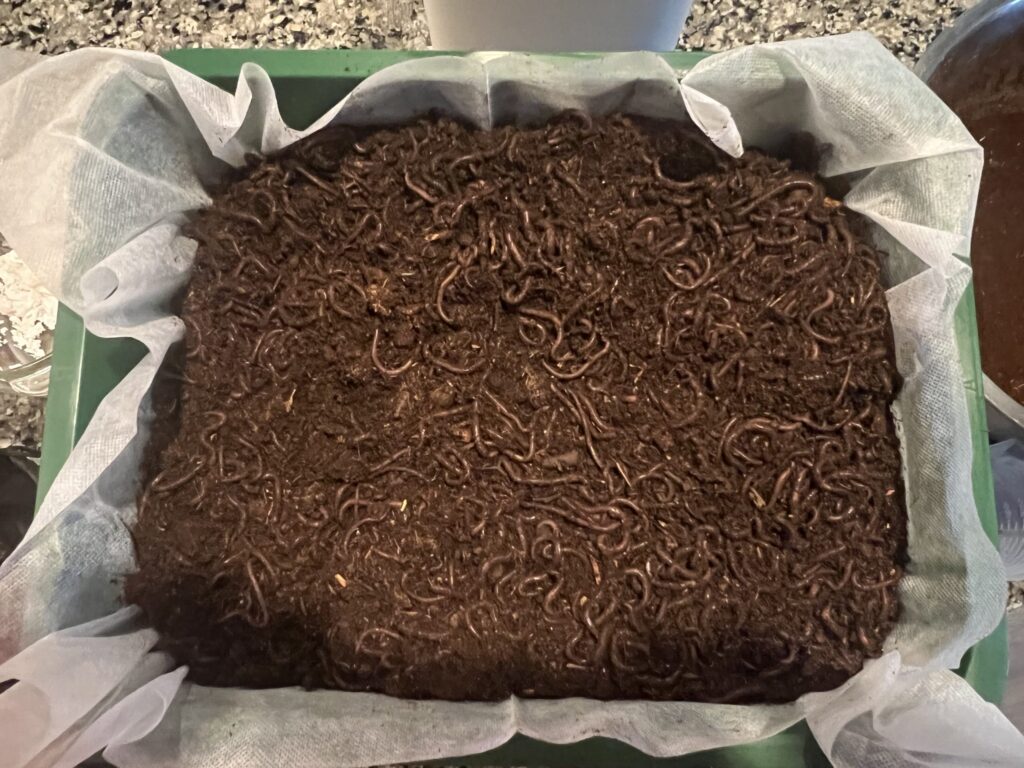
Once the habitat was ready, worms were introduced and gently covered. Participants observed worm movement and behavior, learning that living systems respond to light, moisture, and disturbance.
This moment reinforced that care begins immediately—and that patience matters when working with living organisms.
Feeding, Moisture, and Routine Care
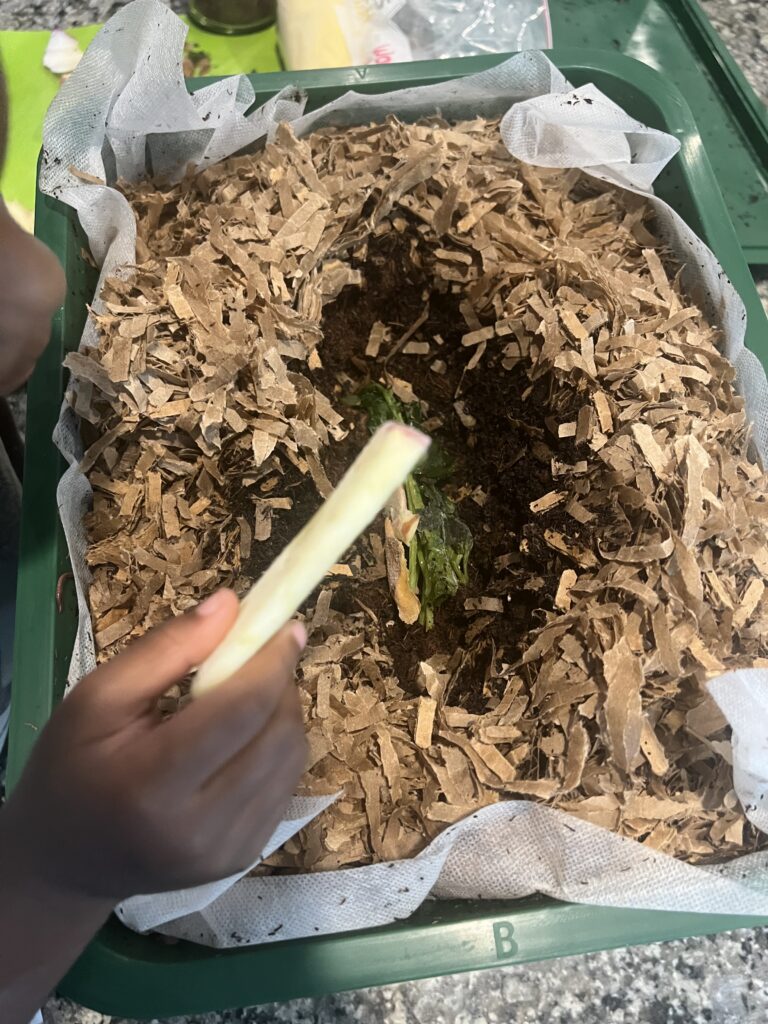
Ongoing care became a regular responsibility. Participants learned how to add food scraps in moderation, bury materials properly, and maintain moisture levels without flooding the system.
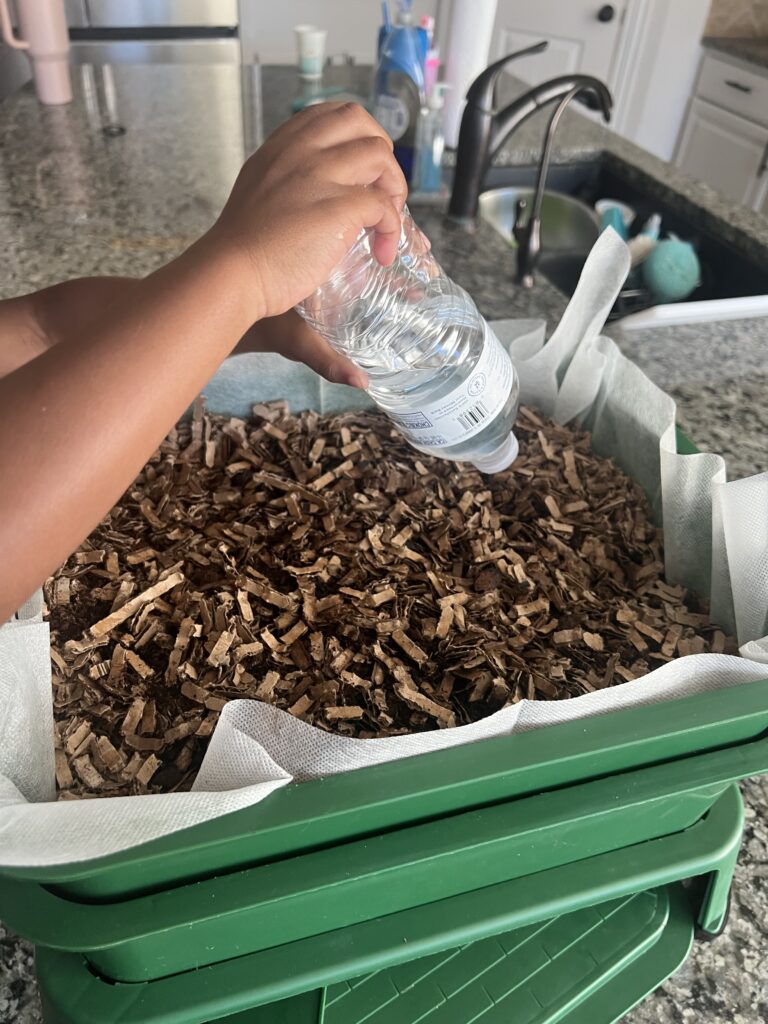
Water was added carefully, reinforcing that balance—not excess—is key to healthy soil life.
Connecting Food Waste to Soil Health
The worm farm helped participants connect kitchen activities from earlier workshops to future garden success. Food scraps that might otherwise be discarded became inputs for soil-building.
This closed-loop system reinforced that waste is often just a resource in the wrong place.
Why the Worm Farm Matters
Through the worm farm, participants learned that soil health begins long before planting. They practiced consistency, observation, and care—skills that would later carry over into garden planning, bed preparation, and crop management.
Starting small allowed participants to see the full system clearly. Every action had a visible response, and every decision mattered.
Learning Spotlight
Key concepts introduced: decomposition, nutrient cycling, soil organisms, moisture balance, responsibility, and routine care.
👉 This post is part of DHCG’s ongoing series, From Soil to Stewardship, documenting how participants build agricultural knowledge through hands-on systems.
View all posts in this series.
👉 Visit our Event’s page to join in on the fun!