How Dew of Heaven Children’s Garden is cultivating skills, confidence, and connection—one harvest at a time.
On March 17–18, 2026, Dew of Heaven Children’s Garden (DHCG) brought learning to life through a two-day, hands-on strawberry experience that took young participants from harvest to homemade creation. What began in the fields of a local farm ended in the kitchen with jars of jam, bottles of jelly, and a deeper understanding of food systems, self-sufficiency, and stewardship.
This is what full-circle learning looks like.
A First Encounter with the Land
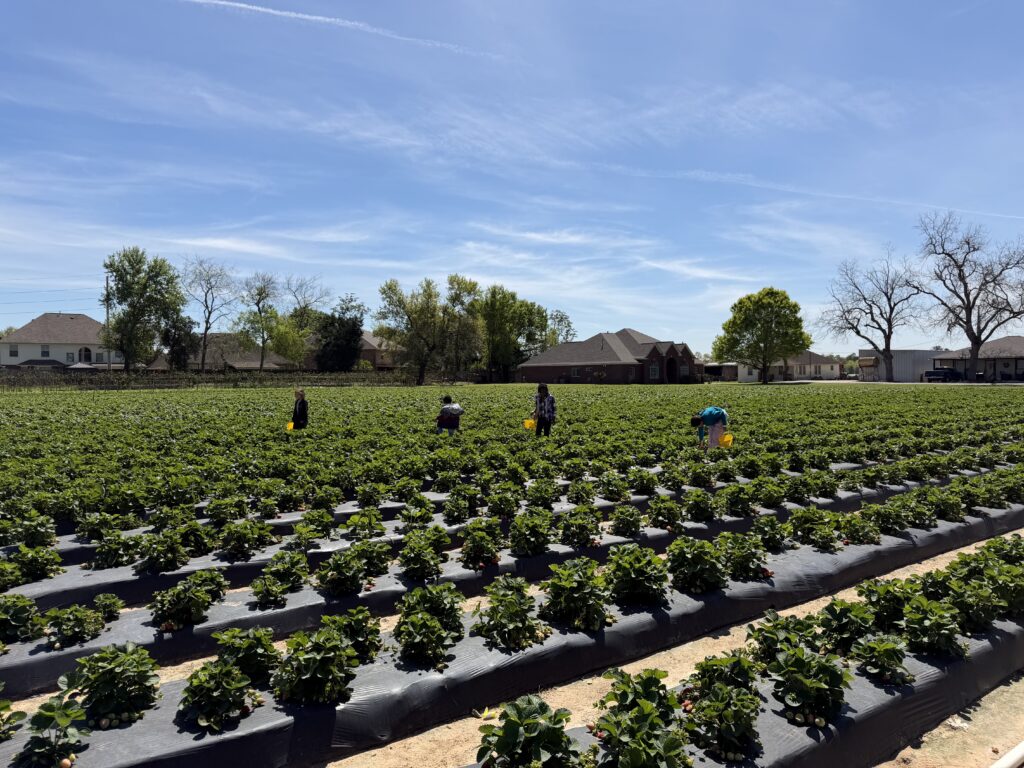
Ten young participants visited Atkinson’s Farm in Spring, Texas—many for the very first time. As they passed the “U-Pick Strawberries” sign and entered acres of cultivated land, curiosity took over.
Questions came quickly:
- “What are they growing?”
- “Is that a tractor? That’s big!”
- “Are ALL the strawberries sweet?”
- “They have a store AND a play ground?”
Inside the farm store, participants explored fresh produce—examining colors, textures, and unfamiliar items like artichokes. This moment of discovery bridged the gap between grocery shelves and agricultural production.
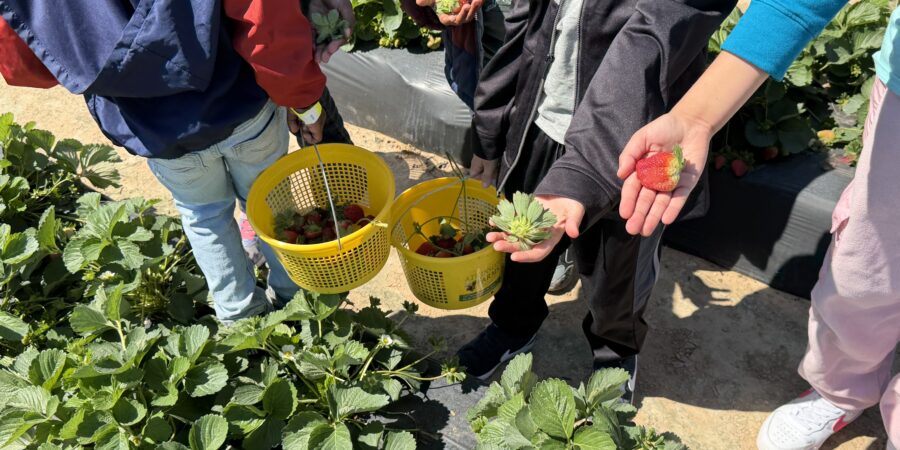
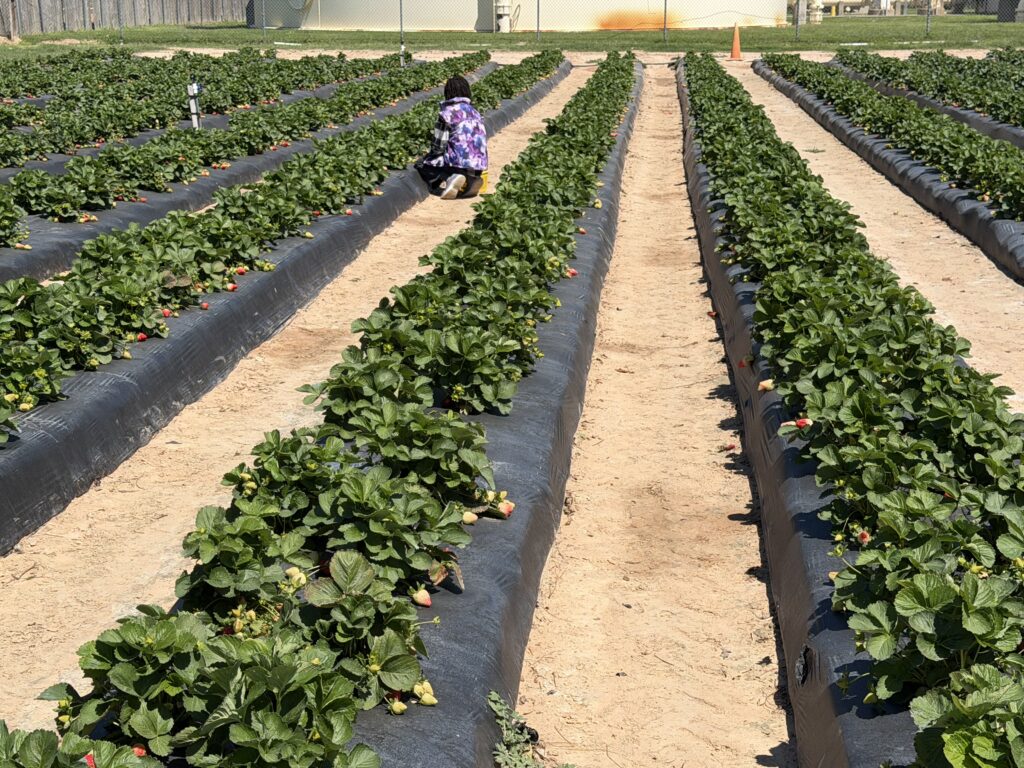
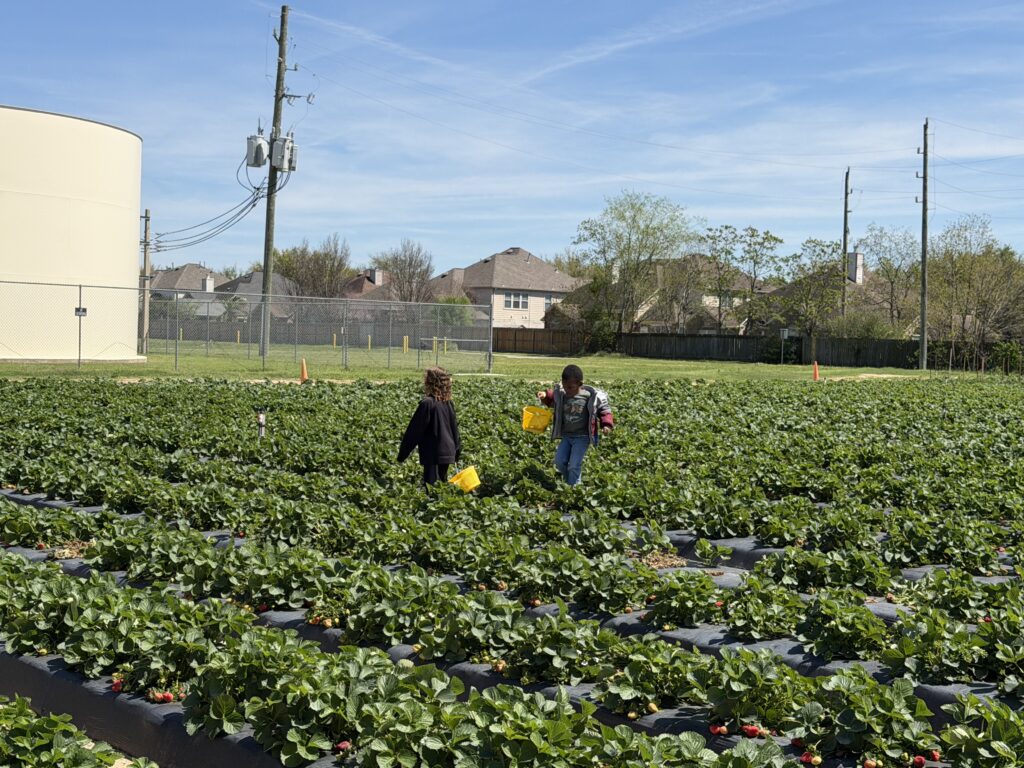
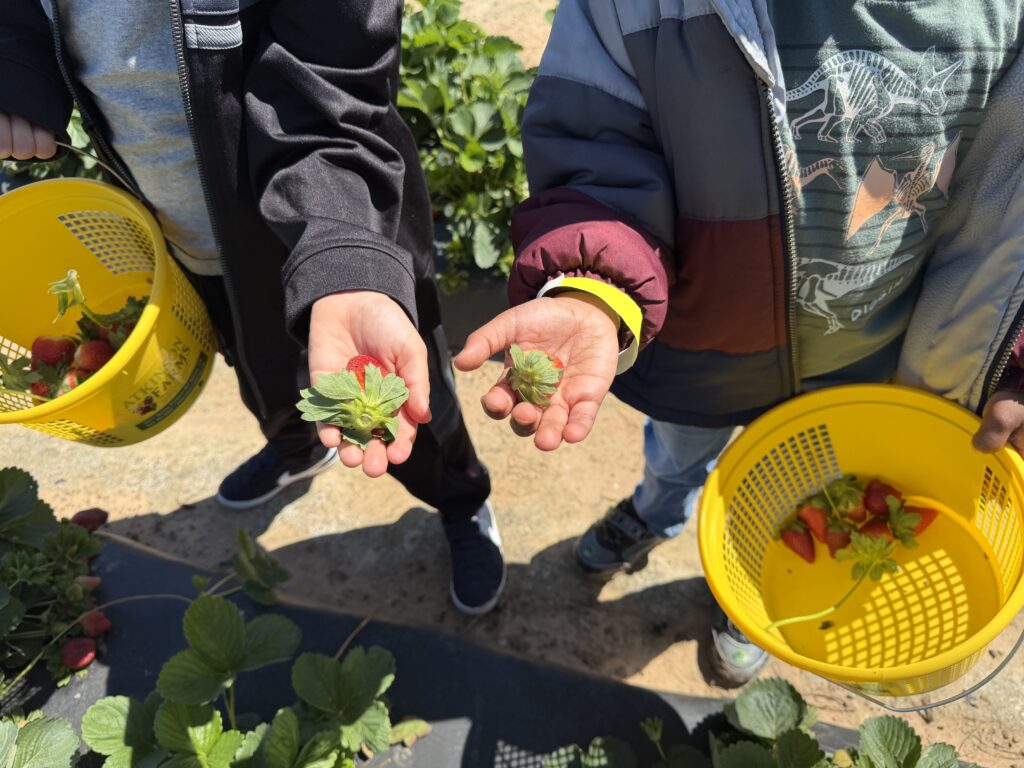
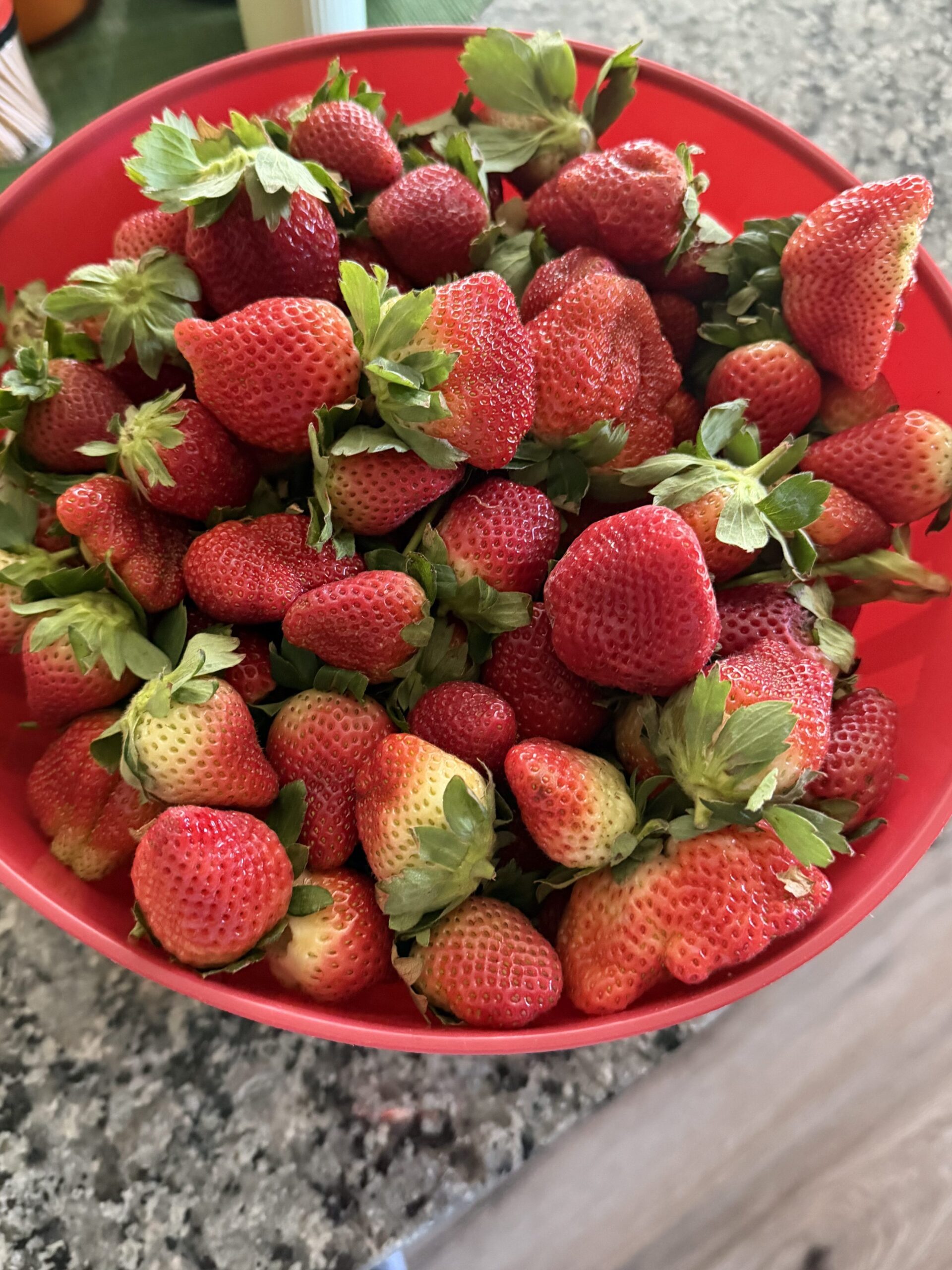
Out in the fields, participants quickly learned an important lesson: the best harvest requires effort. Moving beyond the already-picked rows, they searched for fully ripened strawberries—bright red, ready to be gathered.
Within 30 minutes, they had collectively harvested nearly 20 pounds of strawberries.
From Harvest to Hands-On Processing
The learning didn’t stop at picking.
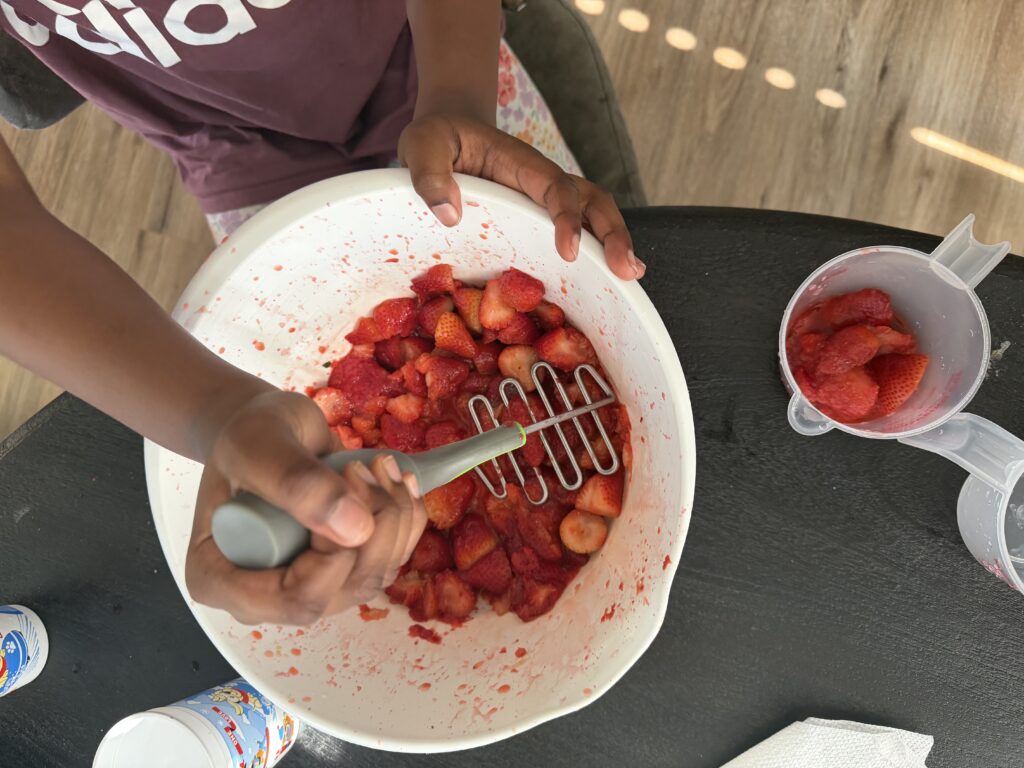
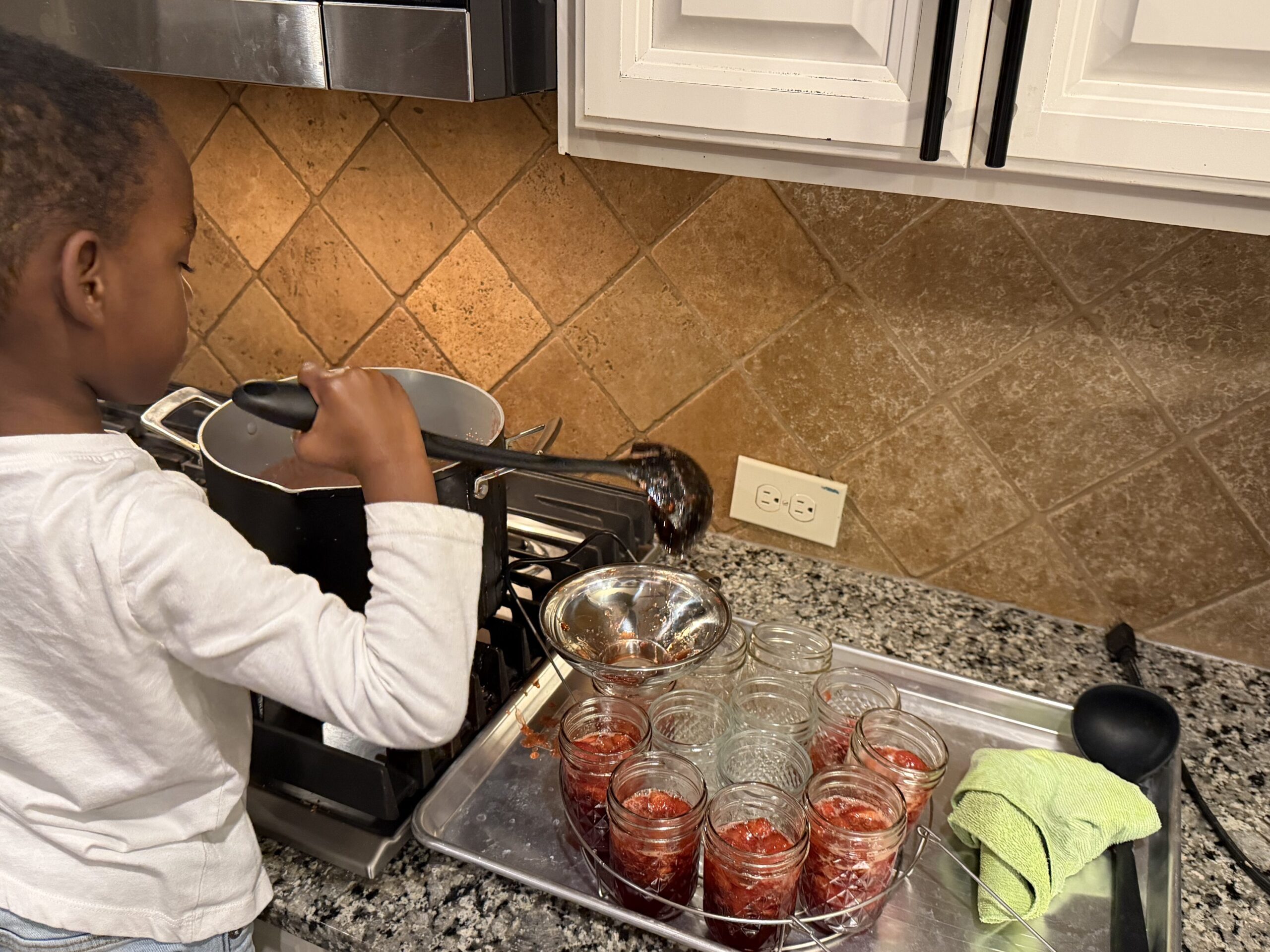
Back at DHCG’s kitchen, participants transitioned from harvesters to processors—engaging in every step required to safely prepare fresh food.
They learned how to:
- Properly clean produce using a vinegar wash
- Sort and prepare ingredients for processing
- Reduce food waste by repurposing scraps for composting (and feeding worms)
With roles assigned—washers, cutters, mashers, and measurers—participants worked collaboratively to prepare the strawberries for canning.
This was more than a cooking activity. It was applied science, teamwork, and responsibility in action.
Canning with Purpose: A Trusted Partnership
To make their strawberry jam, DHCG followed a time-tested recipe adopted by the Winston County Self-Help Cooperative (WCSHC)—a nationally respected organization with over 40 years of experience teaching food preservation and self-sufficiency skills.
Using just three core ingredients—strawberries, sugar, and pectin—participants:
- Measured and combined ingredients
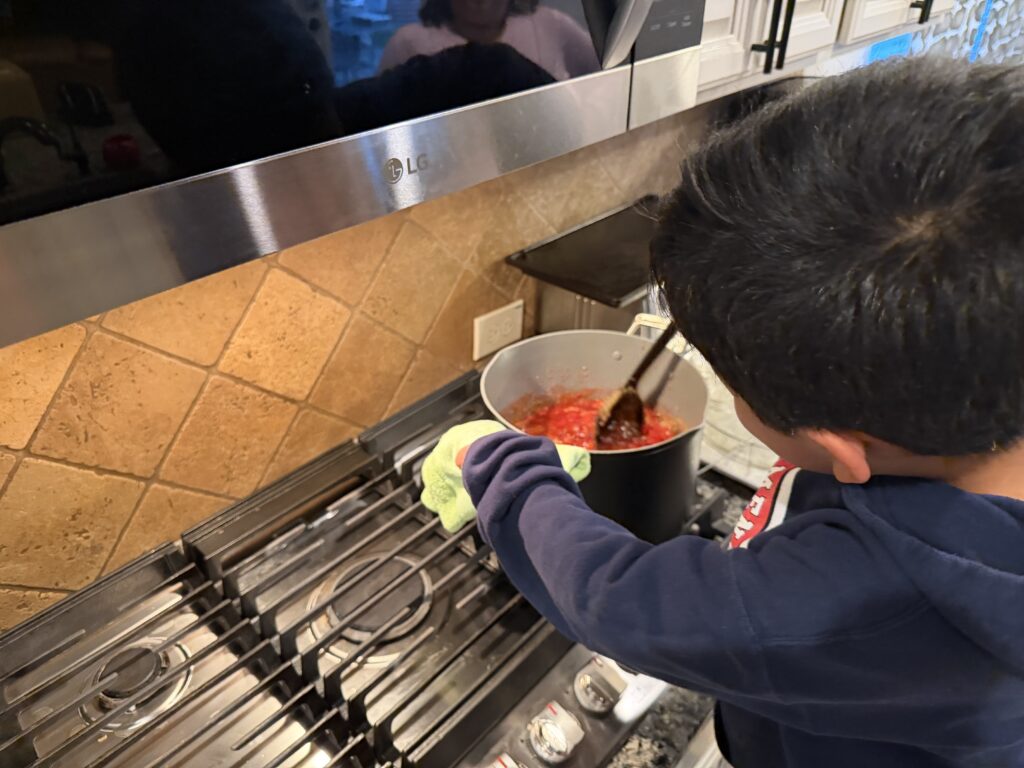
- Observed chemical changes during boiling
- Practiced safe canning techniques using a water bath method
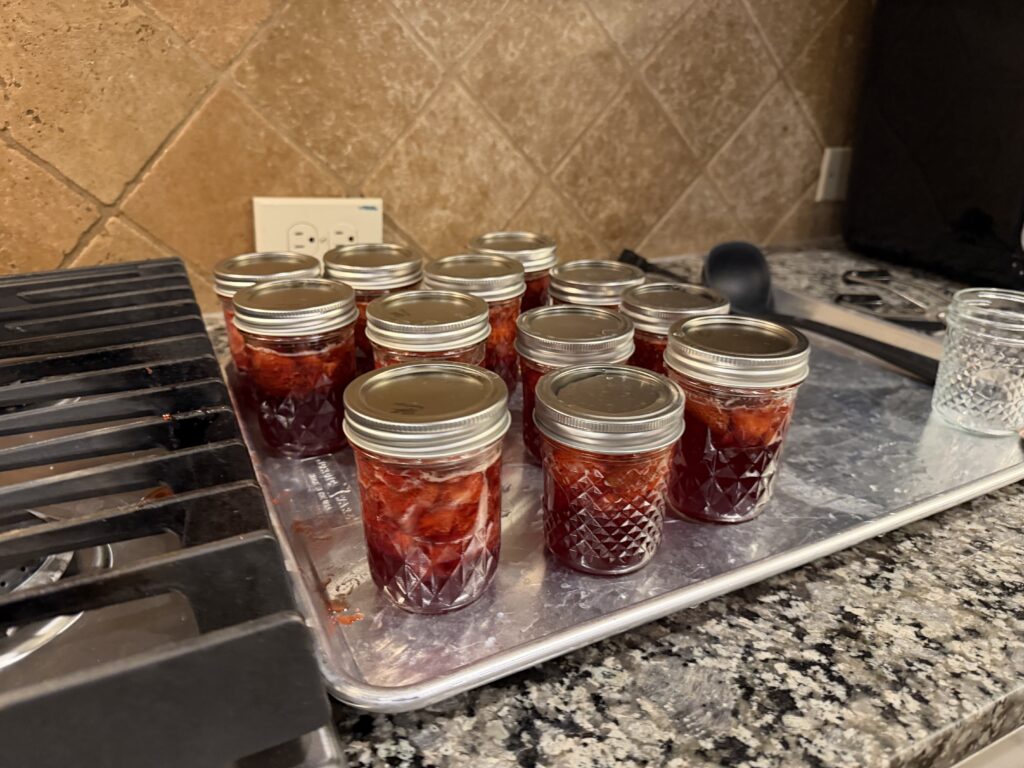
Each jar represented more than a finished product—it reflected a transfer of generational knowledge and practical skill-building rooted in WCSHC’s longstanding leadership.
After cooling, participants took their jars home. The following day, families reported back: the jam was a success.
Expanding Creativity: Jelly and Ice Cream
Day two invited creativity and experimentation.
Participants asked to make more—and they did.
Strawberry Jelly
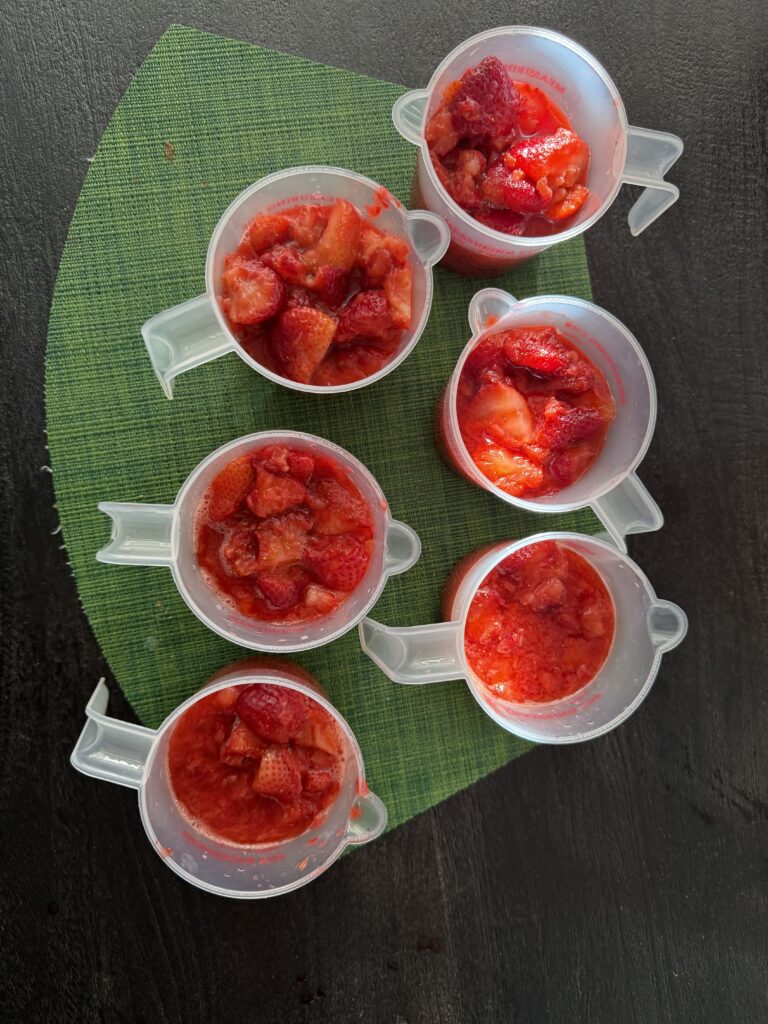
Using the same foundational process, participants learned how to transform jam into jelly by separating solids from liquid. This introduced them to variation in food processing and texture control.
Ice Cream in a Bag
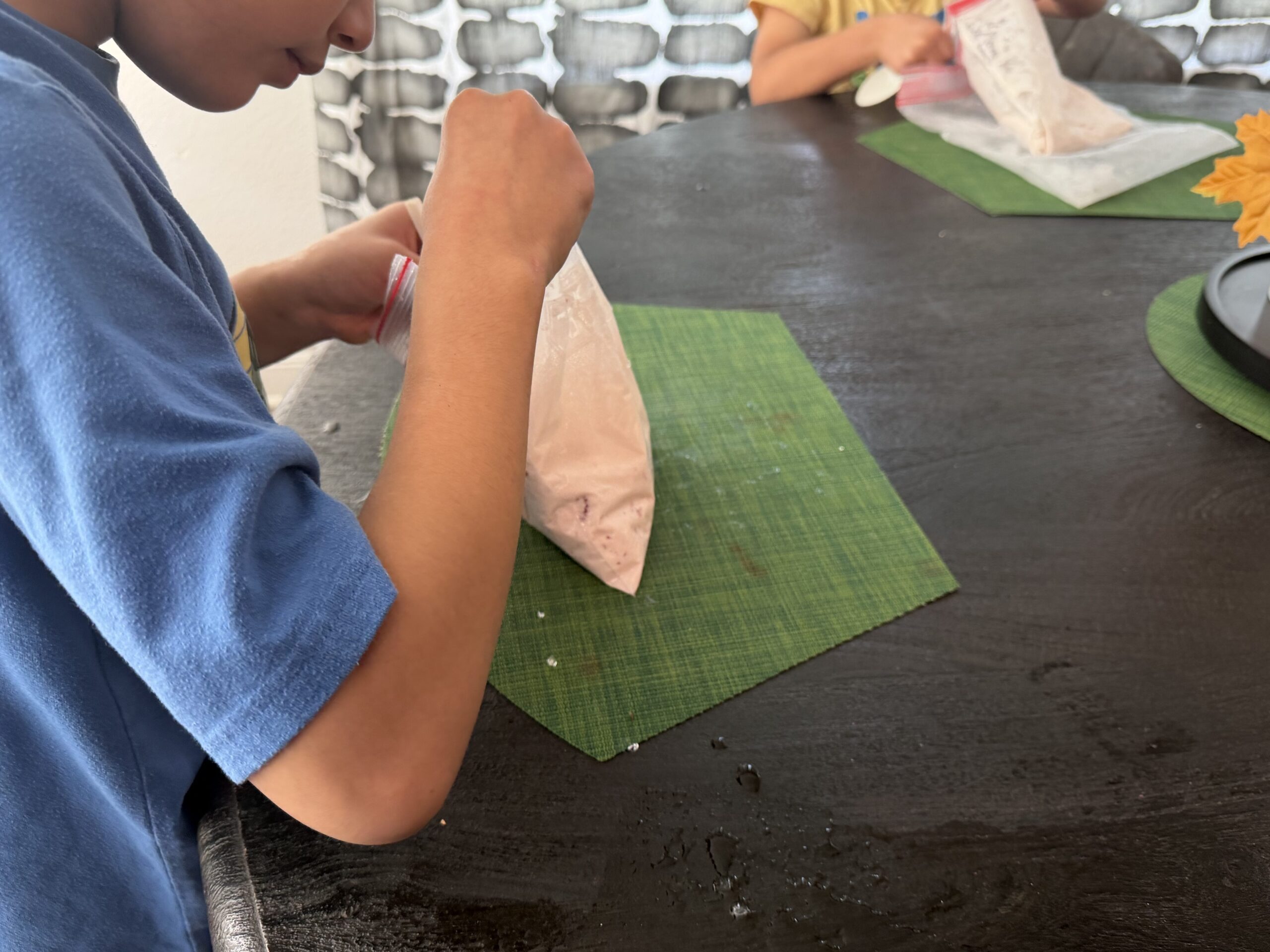
Participants also created strawberry ice cream using a simple, hands-on method:
- Mixing ingredients
- Observing the role of salt and ice in freezing
- Testing and refining technique through trial and error
Not every batch was perfect—and that was part of the lesson.
Participants identified ways to improve texture:
- Shake longer
- Adjust salt levels
- Secure materials more effectively
This iterative process strengthened problem-solving and critical thinking skills.
We followed this easy ice-cream in a bag recipe and at the end f the day they sung the Jelly and Ice Cream song by The Dinoclaws.
Why This Matters
This two-day experience was more than a field trip or workshop—it was a structured learning model aligned with DHCG’s mission to build confidence, capability, and connection.
Participants gained:
- Food system awareness (farm to table understanding)
- Practical life skills (food preparation and preservation)
- Scientific knowledge (measurement, chemical reactions, temperature control)
- Critical thinking (testing and refining outcomes)
- Environmental awareness (waste reduction and composting)
Just as importantly, they experienced the satisfaction of creating something meaningful from start to finish.
Investing in Full-Circle Learning
Experiences like this are made possible through strong partnerships and committed support. DHCG is proud to build upon the legacy of organizations like WCSHC, whose work continues to shape how communities learn, grow, and sustain themselves.
For our participants, the takeaway is lasting:
Food doesn’t begin in a store—and learning doesn’t end in a classroom.
For our supporters, the impact is clear:
You are helping cultivate capable, confident individuals equipped with skills that extend far beyond the garden.