On Saturday, September 12, 2026, Dew of Heaven Children’s Garden (DHCG) welcomed young participants for a hands-on farm-to-table experience celebrating seasonal food, cultural traditions, and the arrival of fall.
Held during Hispanic Heritage Month, the workshop was co-led by Mrs. Leslie Castaneda, an avid farm-to-table cook and homeschool teacher, and Mrs. Kiara Syph, DHCG Executive Director. Together, they guided participants from an introductory conversation about seasonal eating through the preparation—and enjoyment—of a complete fall-inspired meal.
Mrs. Castaneda created a Hispanic Heritage and fall-inspired menu featuring fresh pico de gallo with cucumber, pumpkin spice horchata served from mini pumpkins, and freshly roasted pumpkin seeds, accompanied by meat, rice, and beans.
Setting the Table for Fall
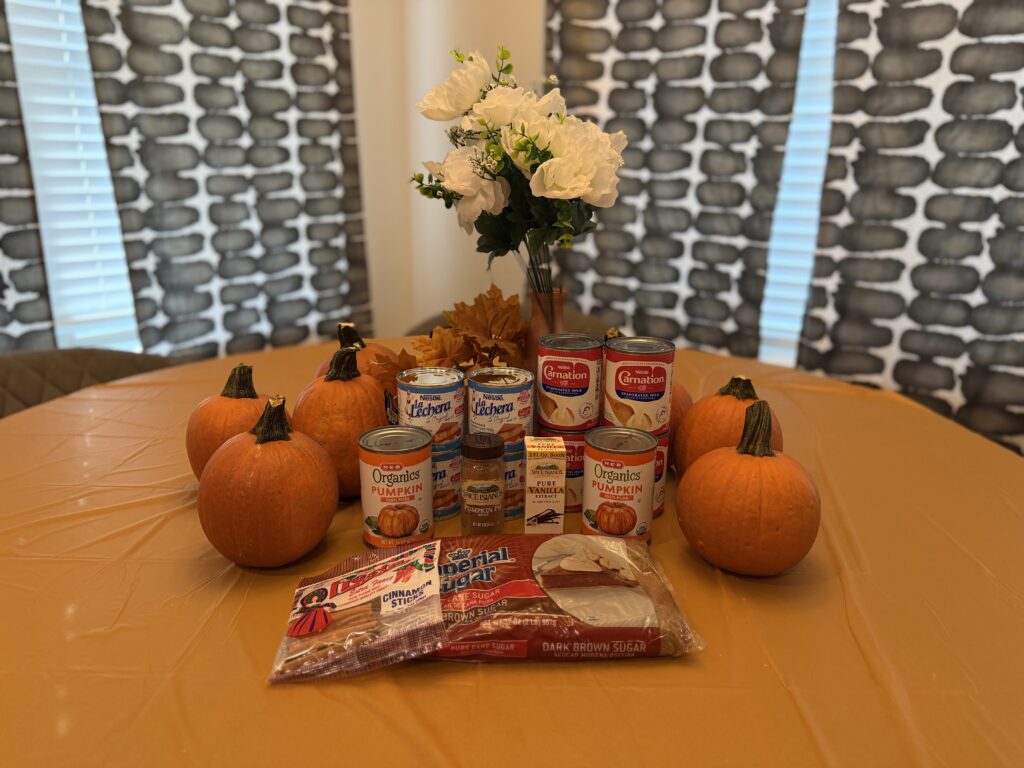
Before the first ingredient was mixed, participants were immersed in the experience. Mrs. Castaneda decorated the space with mini pumpkins and other fall décor, bringing the feeling of autumn indoors. The transformation immediately caught the attention of the young participants, who were pleasantly surprised by the instant feeling of fall in the air.
What Does It Mean to Eat In Season?
When it was time to begin, Mrs. Syph gathered the energetic group with a rhythmic call-and-response clap. Once everyone was focused, she introduced the purpose of the workshop: understanding where fresh food comes from, why locally grown foods matter, and what it means to eat with the seasons.
She began with a question: “What is in season?”
“Pumpkins!” one participant quickly responded.
Mrs. Syph refined the question: “What does in season mean?”
“When you eat food that grows in that season,” a participant answered.
“Like apples!” another added.
“Yes, apples are in season, too.”
“Strawberries!”
“Not quite.”
That answer opened the door to a larger conversation.
Participants discussed how foods can still appear in stores even when they are not naturally growing locally during that season. They identified freezing as one way food can be preserved and learned about other methods, including canning and the use of preservatives in some foods.
The conversation brought the lesson back to one of DHCG’s central themes for the day: choosing fresh, seasonal foods when possible can help young people better understand the relationship between farms, food, seasons, and the meals on their plates.
Then it was time to put that knowledge into practice.
Fresh Pico de Gallo
Mrs. Castaneda led participants to their first hands-on station: making fresh pico de gallo.
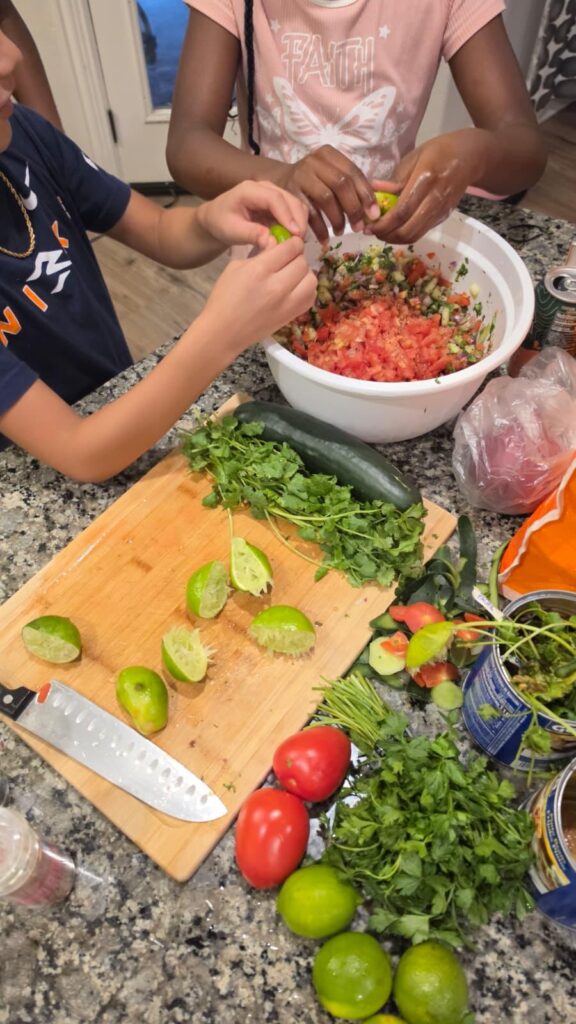
Pico de gallo, sometimes called salsa fresca, is a fresh Mexican salsa traditionally prepared with chopped tomatoes, onion, peppers, cilantro, lime juice, and salt. For this workshop, Mrs. Castaneda added fresh cucumber as an intentional seasonal addition, showing participants that recipes can honor a culinary tradition while also making thoughtful use of produce available during the season.
Participants assembled and seasoned the pre-chopped vegetables themselves. The fresh aroma quickly filled the space, but squeezing the limes into the bowl was an especially popular job.
“This is fun!”
Throughout the activity, Mrs. Castaneda discussed the ingredients, demonstrated ways to taste food without spreading germs, and taught participants how cooks adjust flavors as they work.
When one participant announced, “It’s too sour!”, Mrs. Castaneda responded:
“That’s okay. That means we need more salt.”
The participant was surprised that salt could help balance what she was tasting. It was a small moment, but an important one: she was beginning to understand that cooking is not simply following directions. It involves observing, tasting, adjusting, and trying again.
A Fall Twist on Horchata
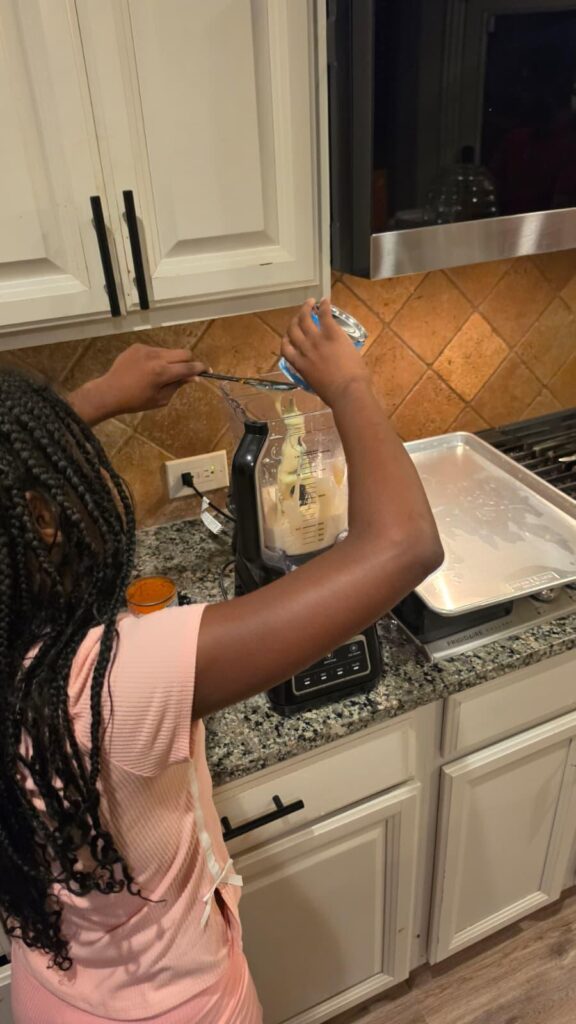
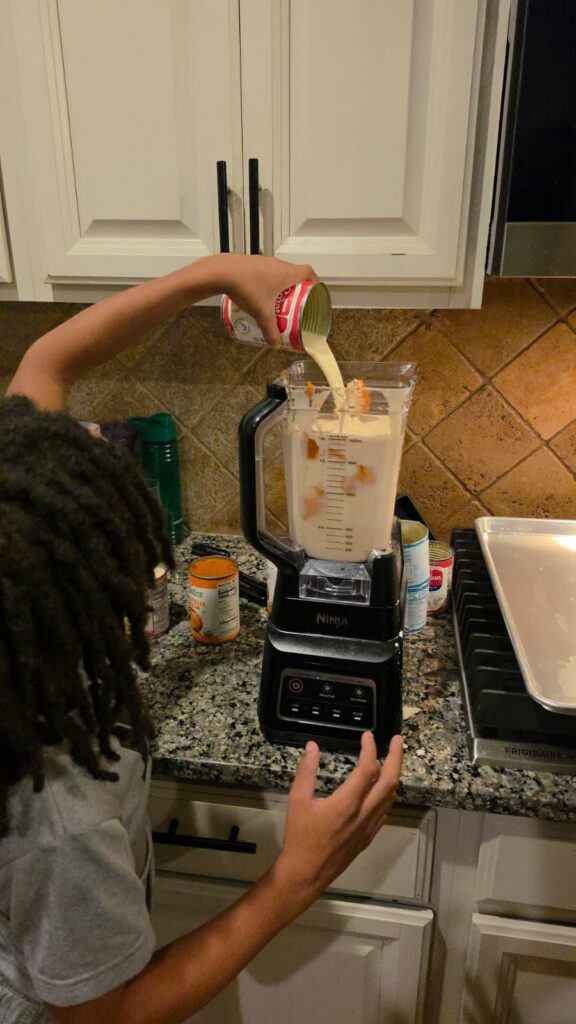
Next came pumpkin spice horchata. Horchata has deep roots in Africa, where early versions were made with tiger nuts—small tubers, not actually nuts—and has become a beloved beverage throughout Spain and Latin America, with different cultures adapting it with locally available ingredients over generations. Today, there are many variations of horchata, often featuring ingredients such as rice, seeds, nuts, cinnamon, or other spices. In celebration of Hispanic Heritage Month and the fall season, Mrs. Castaneda put her own seasonal spin on the tradition with pumpkin spice horchata.
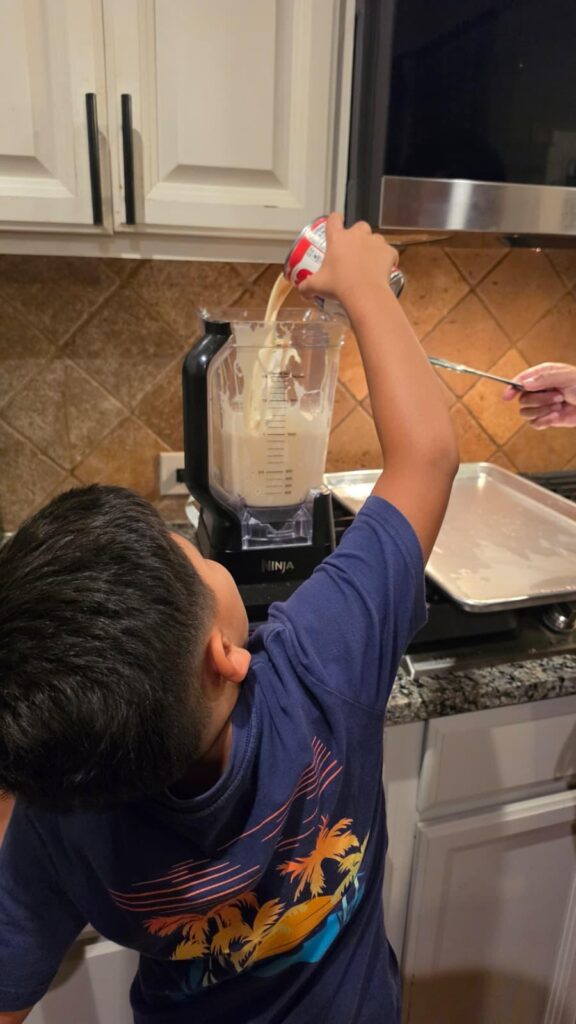
Participants lined up to add pre-measured ingredients to the blender one at a time. Once blended, the horchata was strained and transferred into a large drink dispenser filled halfway with ice. After a good stir and a few final adjustments, it was ready.
But there were no ordinary cups waiting nearby.
From Pumpkin to Cup
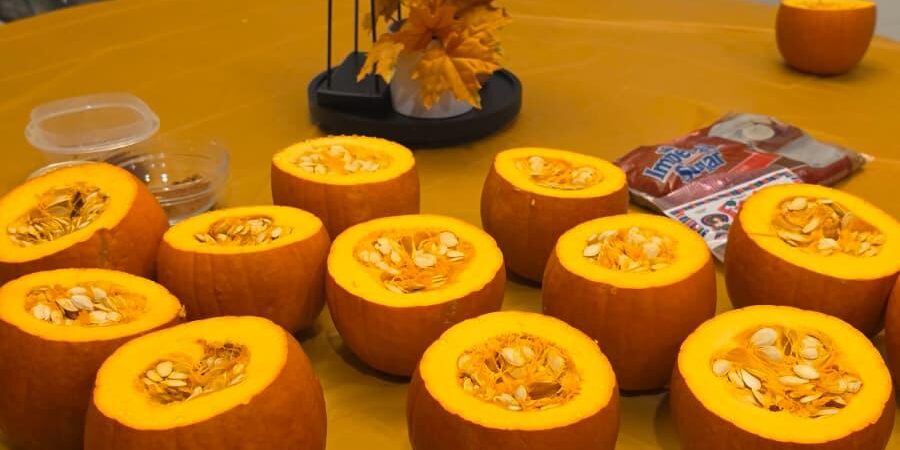
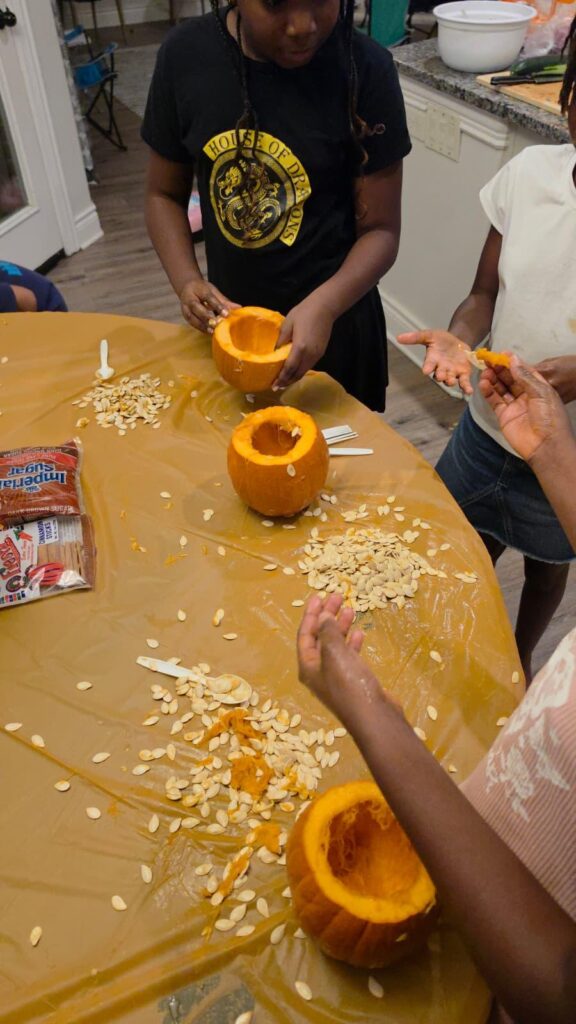
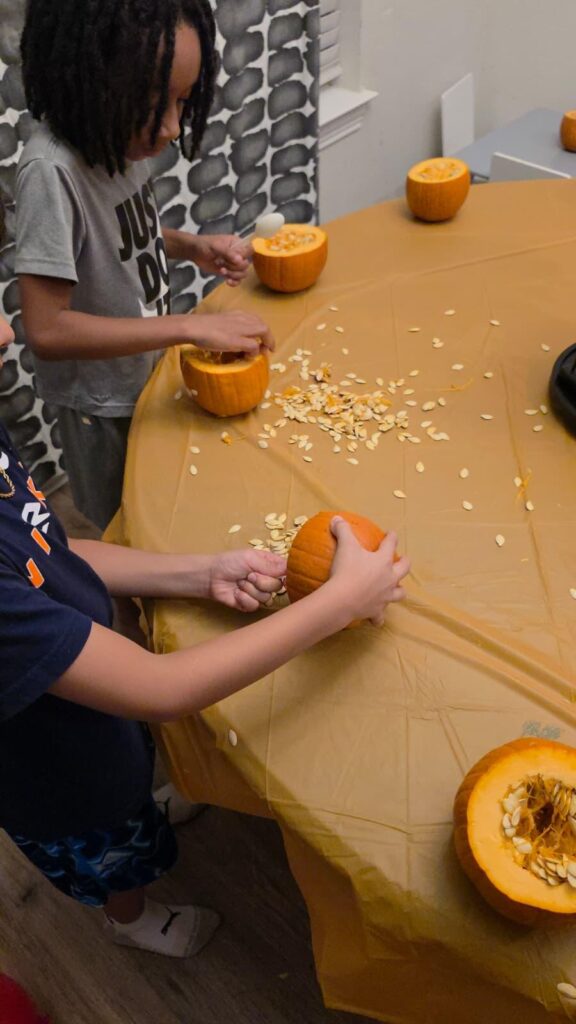
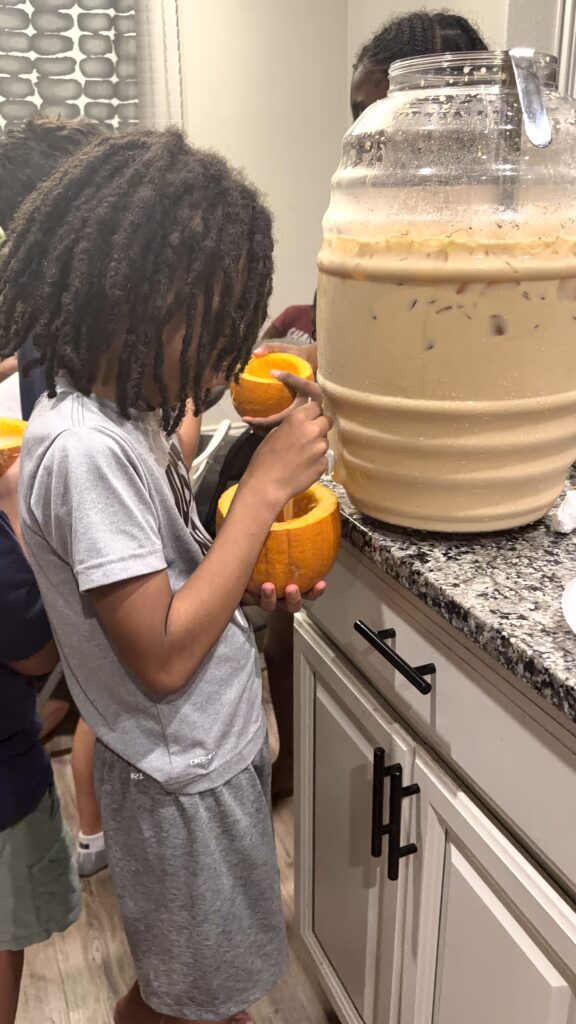
Each participant stood before a miniature pumpkin with its top already removed. Their task was to reach inside, remove the pulp and seeds, and separate the seeds for roasting.
For many, this was the highlight of the workshop.
Hands disappeared into pumpkins as participants explored the slippery texture inside. The activity transformed one piece of seasonal produce into multiple learning opportunities: the pumpkin became a drinking vessel, while its seeds became the workshop’s next snack.
The participants were especially intrigued by the idea of eating the seeds because many had never tasted pumpkin seeds before.
Mrs. Castaneda offered a familiar comparison.
“Who has tried sunflower seeds?”
Nearly every hand shot up.
“Me!”
She explained that pumpkin seeds could also be roasted and seasoned in different ways. Soon, participants were calling out some of their favorite seed flavors and imagining how they might season their own.
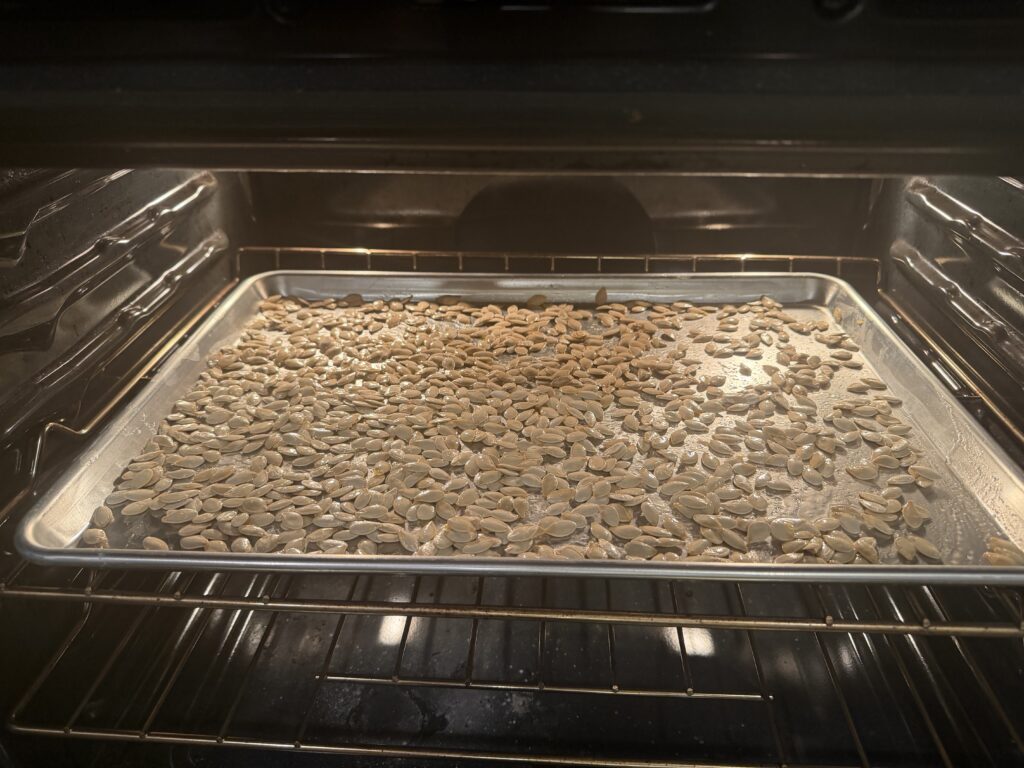
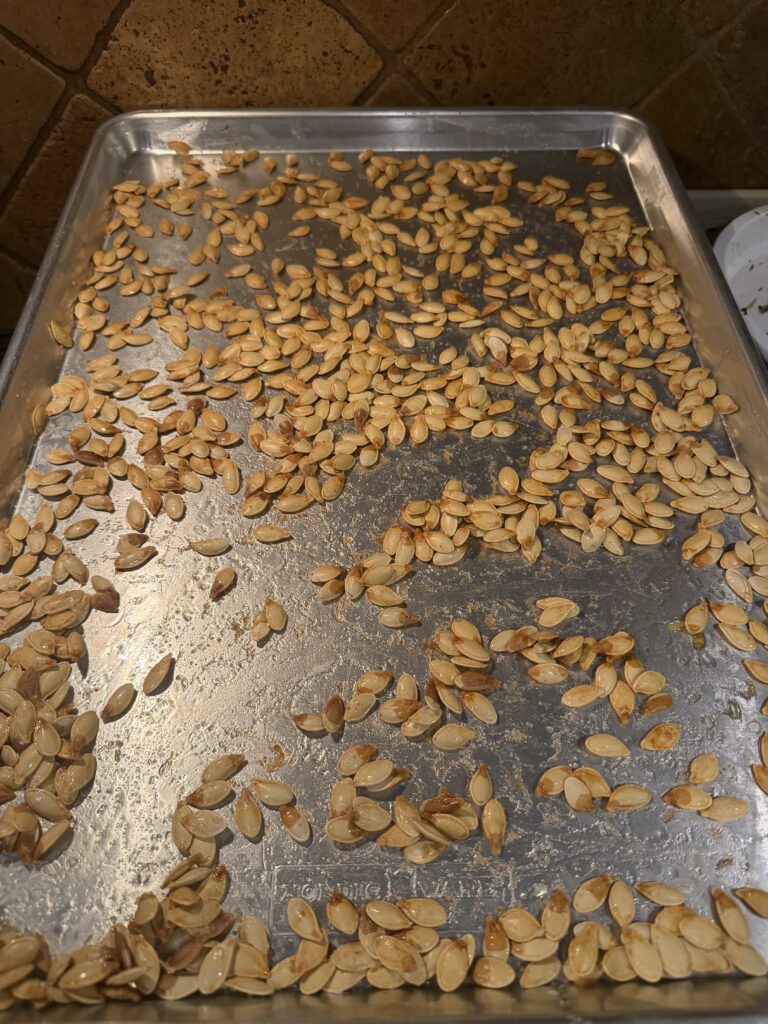
After the pumpkins were cleaned out, participants gathered and washed the seeds. Mrs. Syph patted them dry, tossed them with oil, seasoned them with salt, and placed the tray into the oven to roast for approximately 25 minutes.
“I’ve Never Drank Out of a Pumpkin Before!”
Meanwhile, Mrs. Castaneda washed the hollowed mini pumpkins and returned them to participants.
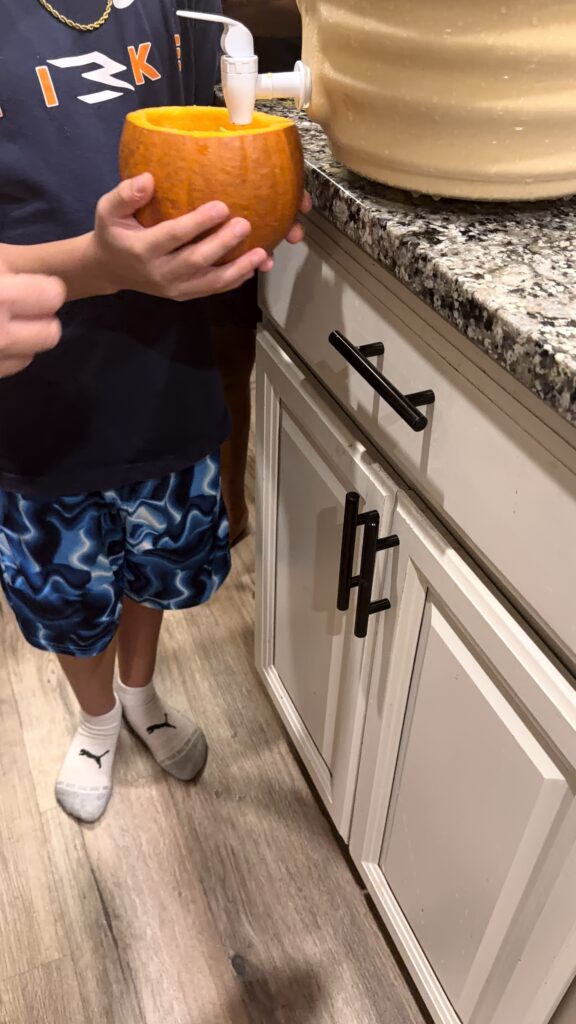
One by one, they approached the drink dispenser, lifted the knob, and filled their pumpkins with pumpkin spice horchata.
Their reactions were immediate.
“I’ve never drank out of a pumpkin before!”
“Oh wow! I love this!”
“This is my new favorite drink.”
“May I have more, please?”
Many returned for seconds, and a few even enjoyed a third serving.
The excitement was about more than trying a new beverage. Participants had taken a seasonal crop, explored what was inside it, saved part of it for another food, and then used the pumpkin itself as part of their dining experience.
Completing the Farm-to-Table Meal
With the pico de gallo seasoned, the horchata poured, and the pumpkin seeds roasting, the final components of the meal were ready.
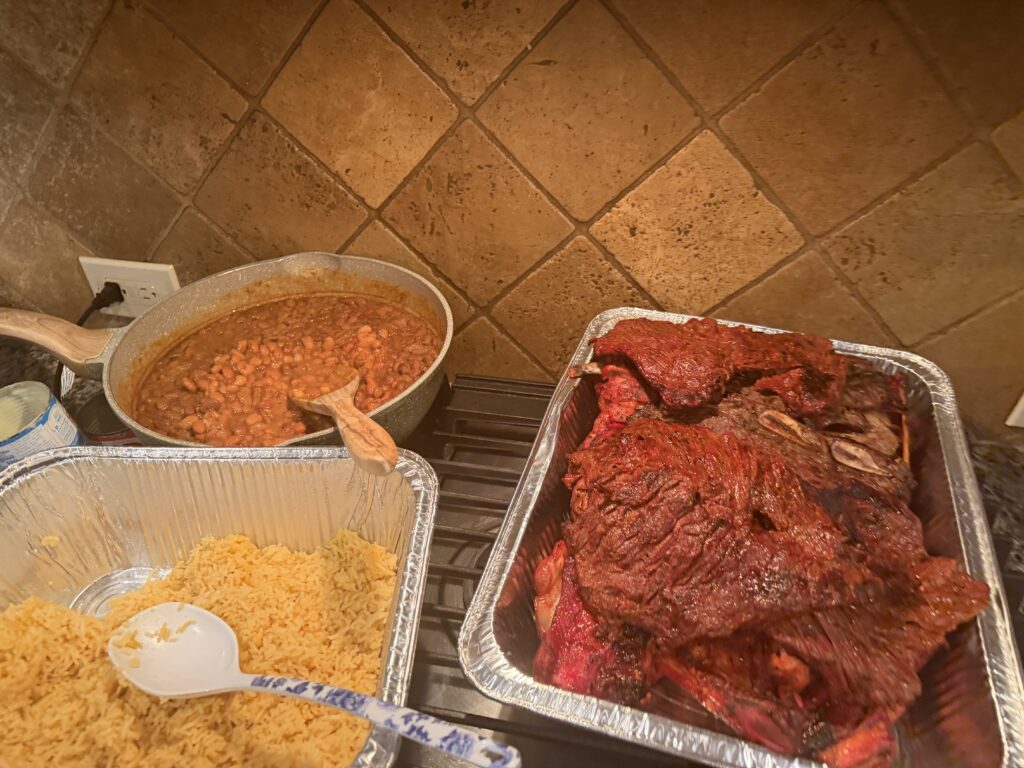
Meat diligently prepared by Mr. Castaneda was served alongside rice and beans, and participants topped their meal with the fresh pico de gallo they had helped prepare.
What began as a conversation about the meaning of “in season” had become a complete meal that participants could see, smell, touch, prepare, and taste.
Growing Curiosity One Meal at a Time
The workshop demonstrated how much learning can happen around a table.
A bowl of fresh vegetables became a lesson in seasonality and flavor. A traditional beverage became an opportunity to explore culture and the fall harvest. A handful of pumpkin seeds introduced participants to a food many had never tried. Even a hollowed pumpkin became an unexpected way to make the experience memorable.
For DHCG, hands-on experiences like these help young participants connect agriculture to everyday life. Food is not simply something that appears on a grocery store shelf or restaurant plate. It has a growing season, a place of origin, a cultural story, and many hands and decisions behind the journey from farm to table.
And sometimes, the best way to understand that journey is to roll up your sleeves, reach into a pumpkin, and taste the season for yourself.
A Special Thank You
A big thank you to Mrs. and Mr. Castaneda for the thought, creativity, and care they put into planning and bringing this wonderful farm-to-table experience to life for our young participants. From the thoughtfully prepared menu and festive fall setting to the hands-on cooking experience, their contributions made the day both meaningful and memorable.
DHCG also extends a special thank you to the Winston County Self Help Cooperative for sponsoring this event and helping make experiences like this possible for our young participants. We are grateful for your continued investment in hands-on learning, agriculture, and the next generation.

Learning Spotlight: Seasonal Eating, Food Preparation & Preservation
What did our young participants explore?
Participants learned that “in season” describes foods that naturally grow and are harvested during particular times of the year. They also explored how preservation methods such as freezing and canning allow foods to be enjoyed beyond their natural growing season.
Through hands-on cooking, participants practiced additional skills and concepts:
- Seasonal food awareness: Identifying foods associated with the fall harvest and considering seasonality when choosing ingredients.
- Food preparation: Mixing, seasoning, blending, straining, cleaning pumpkins, washing seeds, and preparing ingredients for roasting.
- Flavor development: Discovering how salt, acidity, herbs, spices, and other ingredients work together to create a balanced dish.
- Food preservation: Connecting freezing, canning, and other preservation methods with the availability of foods outside their growing seasons.
- Cultural food traditions: Exploring pico de gallo and horchata while seeing how seasonal ingredients and fall flavors can be incorporated into familiar foods.
- Whole-crop thinking: Discovering multiple uses for one pumpkin rather than immediately discarding its different parts.
- Sensory learning: Using sight, smell, touch, and taste to investigate ingredients and make decisions while preparing food.
Most importantly, participants experienced the farm-to-table concept as something tangible. They were not simply told that seasonal food matters—they prepared it, experimented with it, tasted it, and shared a meal together.