From Soil to Stewardship: A Year of Learning at Dew of Heaven Children’s Garden— Part 3
Healthy systems do not maintain themselves. They require care, observation, and consistency.
After establishing the worm farm, participants at Dew of Heaven Children’s Garden shifted from setup to stewardship. This phase emphasized responsibility—returning to the system regularly, monitoring conditions, and making informed adjustments. The worm farm became not just a composting tool, but a living classroom where decisions had visible consequences.
Routine Care: Feeding, Moisture, and Monitoring
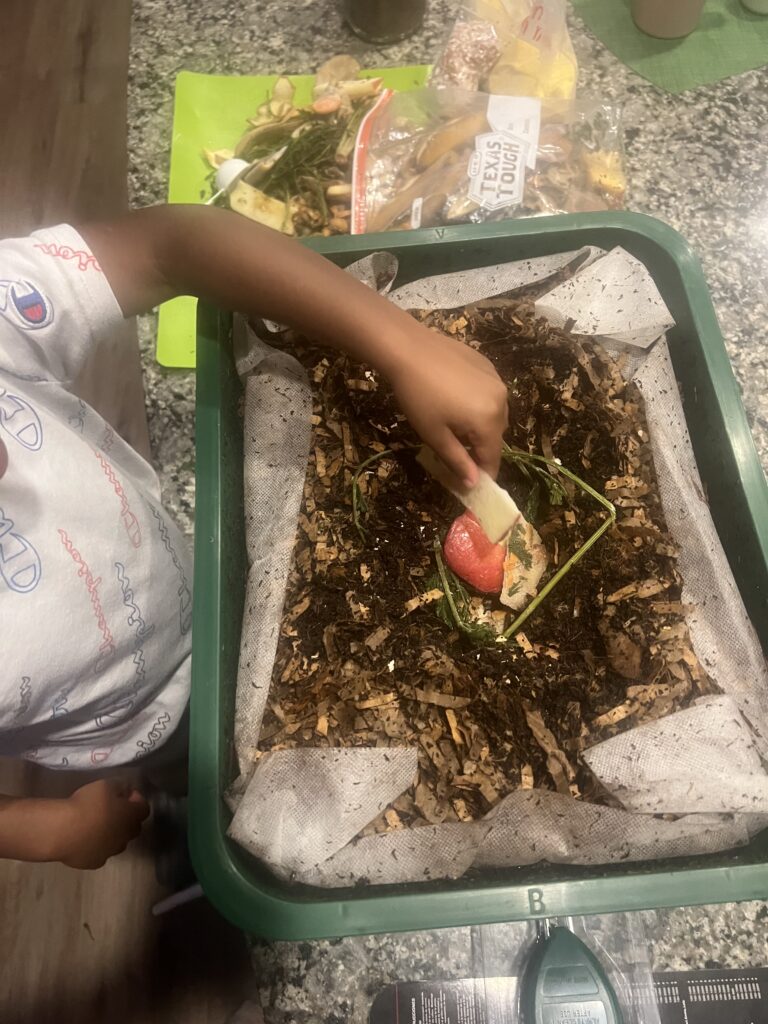
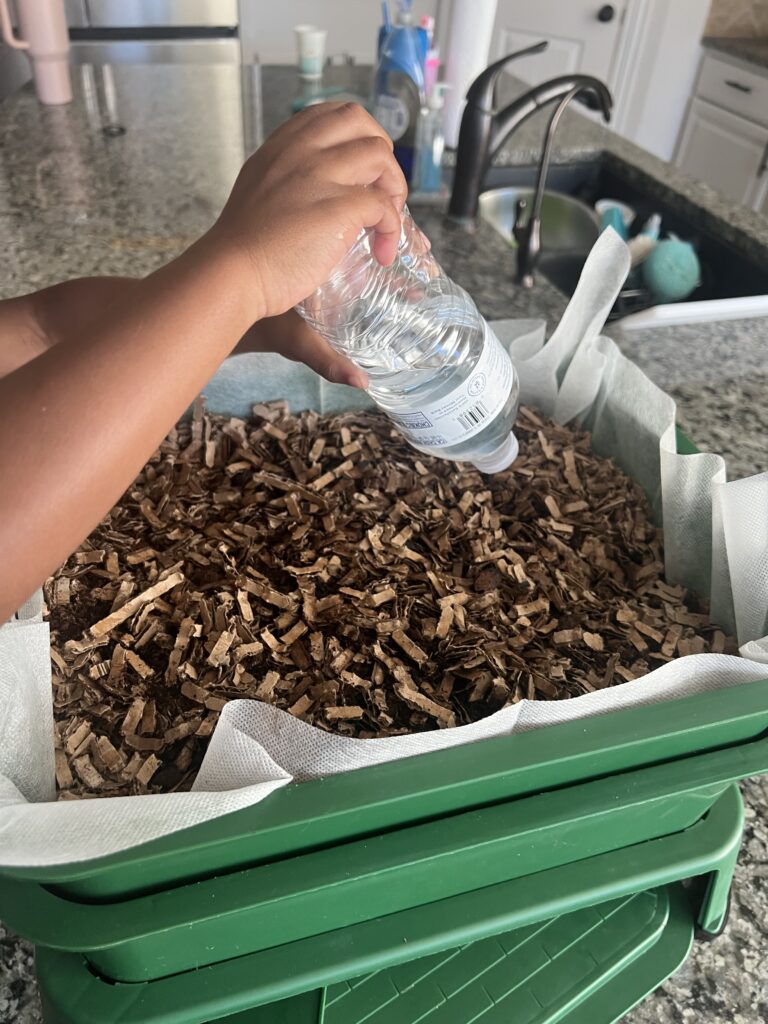
Participants practiced routine worm care by feeding food scraps, adding bedding, and maintaining proper moisture levels. They learned that worms require balance: too much food, too much water, or compacted bedding can disrupt the system.
By revisiting the bin consistently, participants observed changes over time and learned to respond appropriately.
Measuring and Observing Soil Conditions
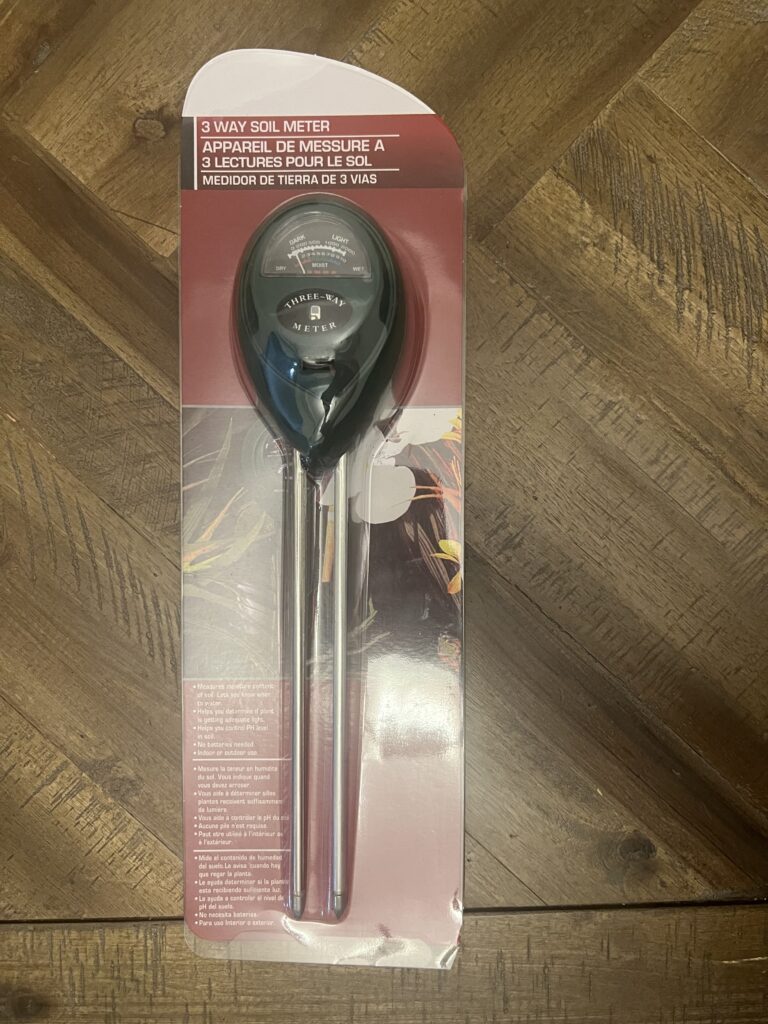
Participants were introduced to basic diagnostic tools used in agriculture. Using a 3-way soil meter, they assessed moisture levels in the worm bin and discussed how environmental conditions impact living organisms.
This activity reinforced that farming decisions are often data-informed, not guesswork.
Shredding, Sorting, and System Inputs
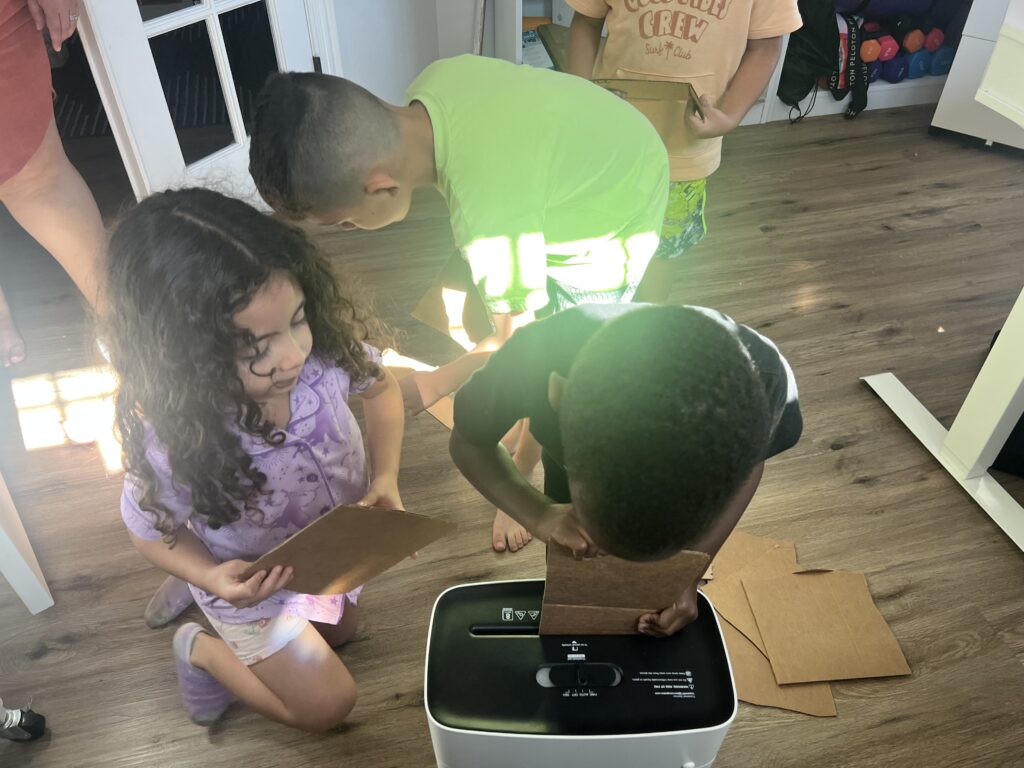
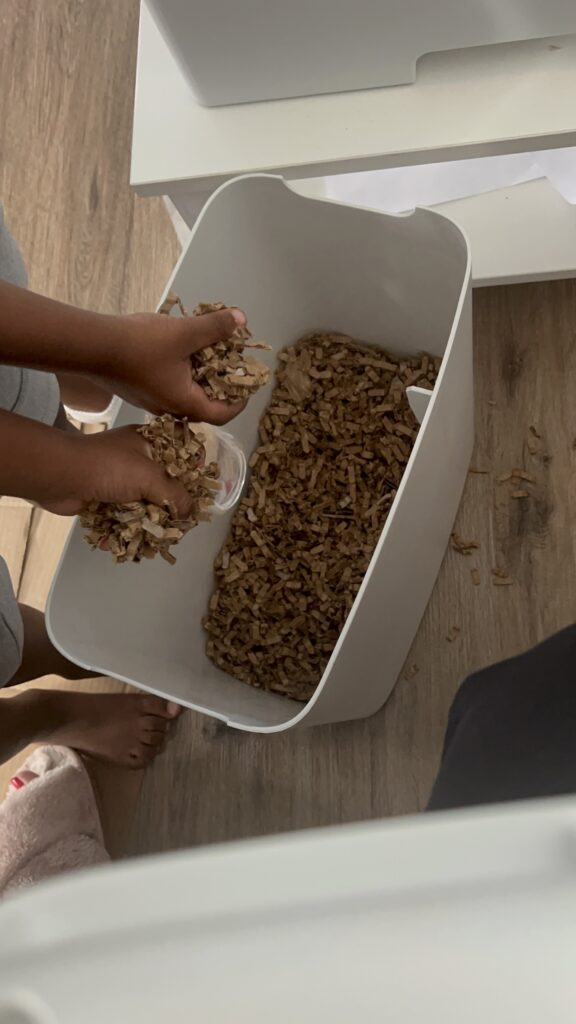
Cardboard shredding became an important task, helping participants understand the role of carbon-rich materials in compost systems. Shredded cardboard was layered into the bin to improve airflow and balance food inputs.
Participants also observed how different materials broke down at different rates.
Signature Program: Worm Exploration Workshop
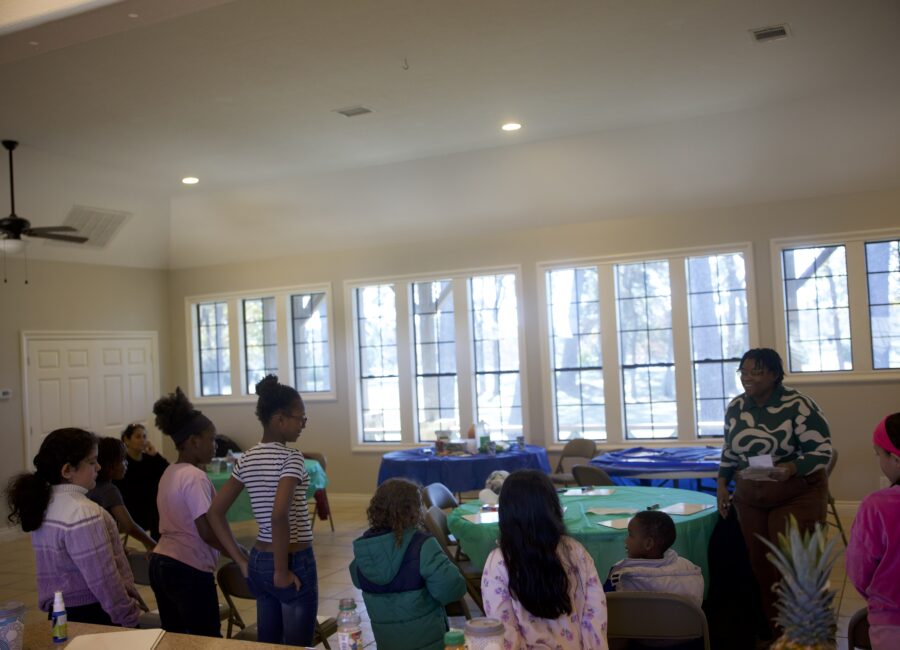
The Worm Exploration Workshop is a signature DHCG learning experience designed to deepen curiosity through guided inquiry and observation.
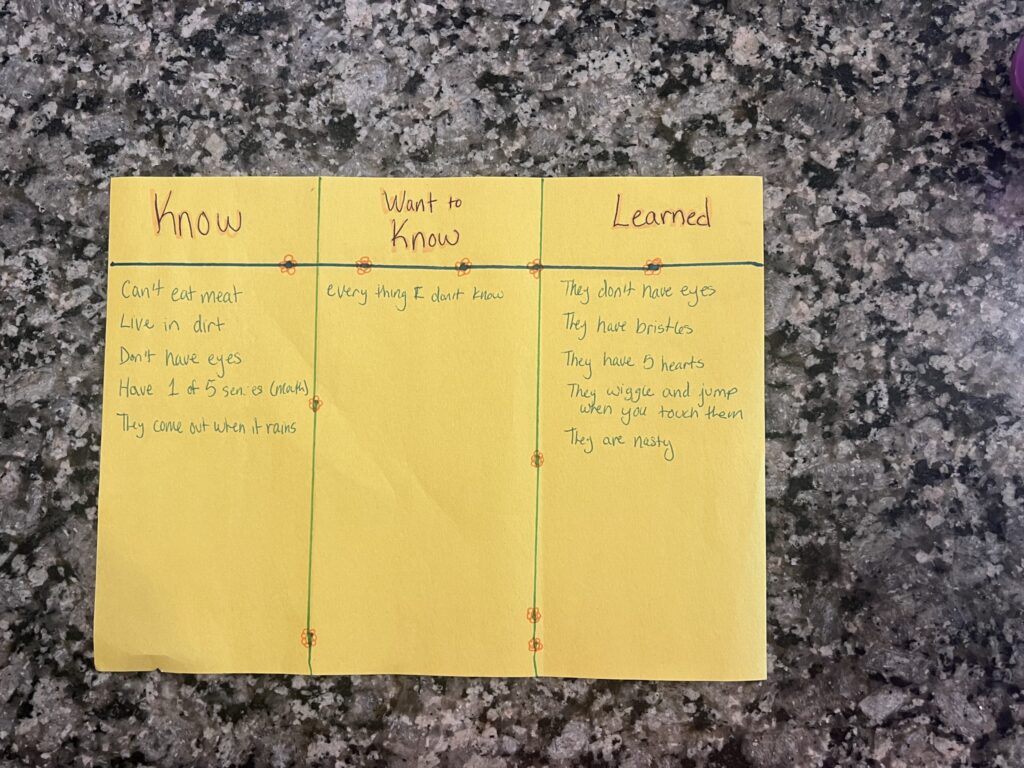
Each session begins with a simple discussion:
- What do you already know about worms?
- What do you want to learn?
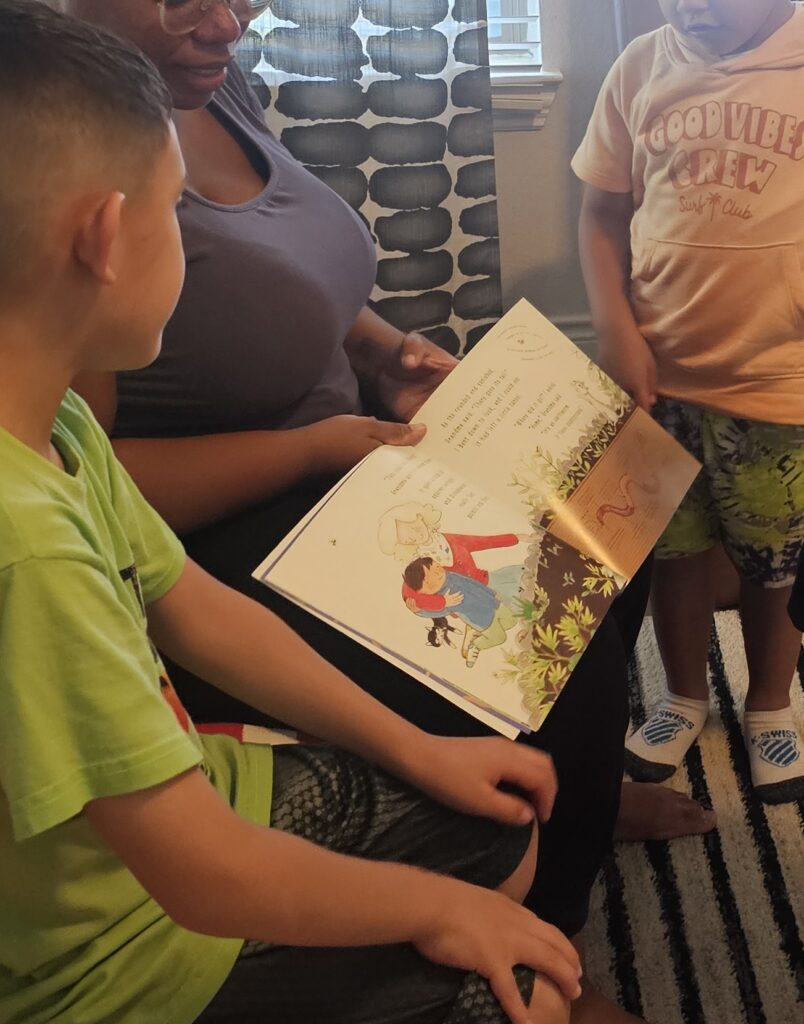
Participants then explore age-appropriate stories and informational texts about worms before moving into hands-on investigation.
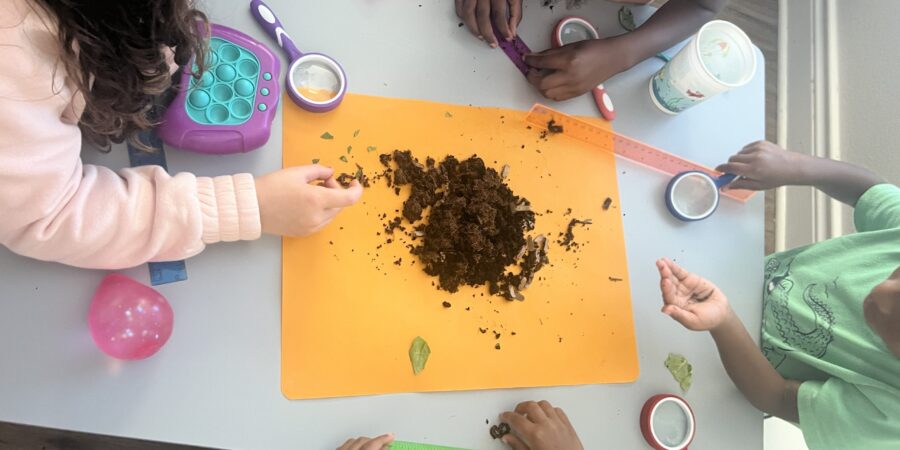
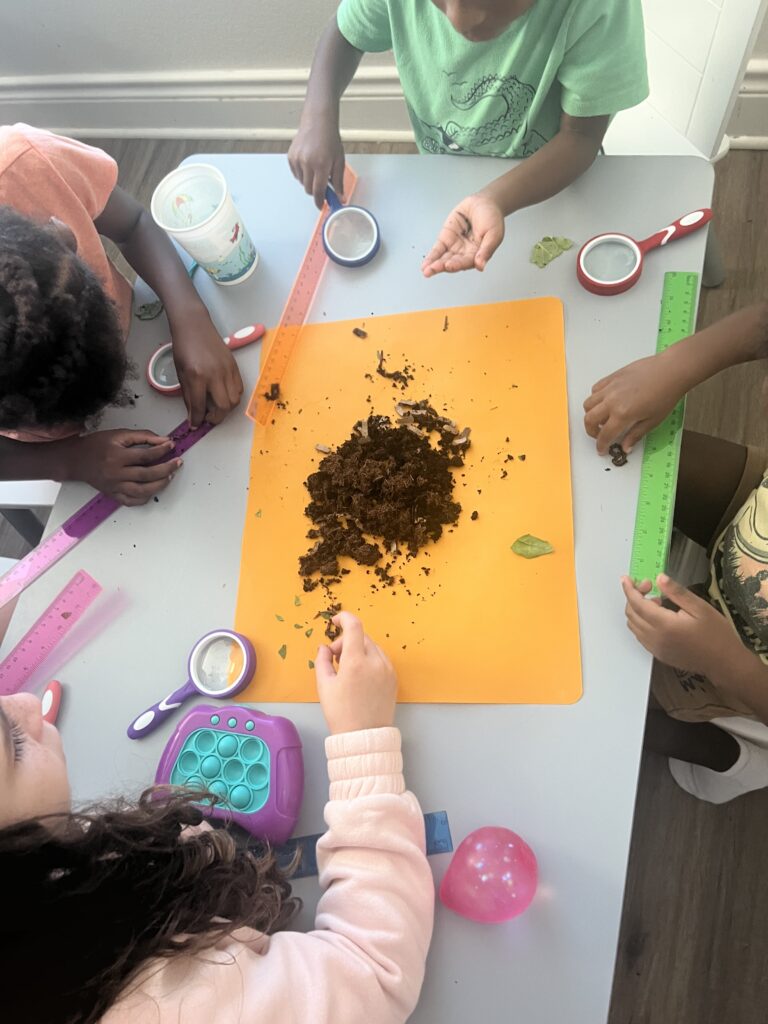
Using magnifying glasses and rulers, participants examined worms up close, identified body parts, and measured size. They observed movement, texture, and behavior, building comfort and curiosity rather than fear.
After assessing the worm bin with the soil meter, participants helped shred cardboard, feed the worms, and prepare bedding—actively contributing to the system they were studying.
The workshop concludes with reflection:
- What did you learn today?
- What surprised you?
Participants consistently express excitement when observing worms up close and often share new facts they have learned, reinforcing both confidence and comprehension.
Learning Through Responsibility
By caring for the worm farm over time, participants learned that agriculture is not a single event—it is a commitment. The worm bin responded directly to their actions, reinforcing accountability and stewardship.
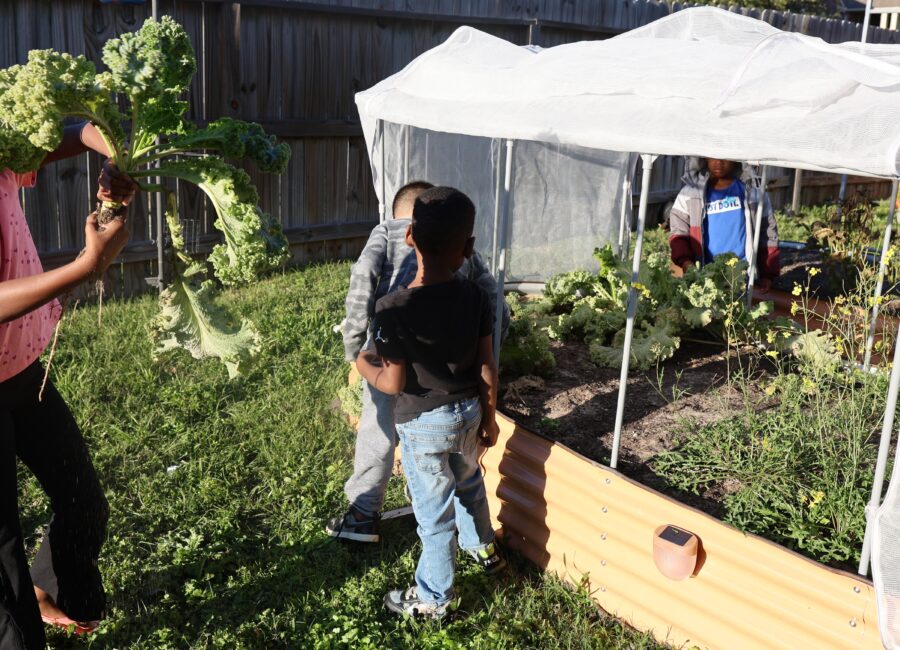
These lessons carried forward into later garden activities, where soil preparation, planting, and harvest required the same consistency first practiced with the worms.
Learning Spotlight
Key concepts reinforced: responsibility, observation, measurement, inquiry-based learning, environmental monitoring, and system stewardship.
👉 This post is part of DHCG’s ongoing series, From Soil to Stewardship, documenting how participants develop agricultural knowledge through hands-on systems and intentional care.
View all posts in this series.
👉 Visit our Event Page to join in on the fun!