From Soil to Stewardship: A Year of Learning at Dew of Heaven Children’s Garden — Part 4
Gardens are built long before the first seed goes into the ground.
Before planting could begin, participants at Dew of Heaven Children’s Garden focused on preparation—learning that successful growing spaces depend on planning, infrastructure, and thoughtful sequencing. This phase emphasized that planting is only one step in a much larger system.
Planning the Garden with Intention
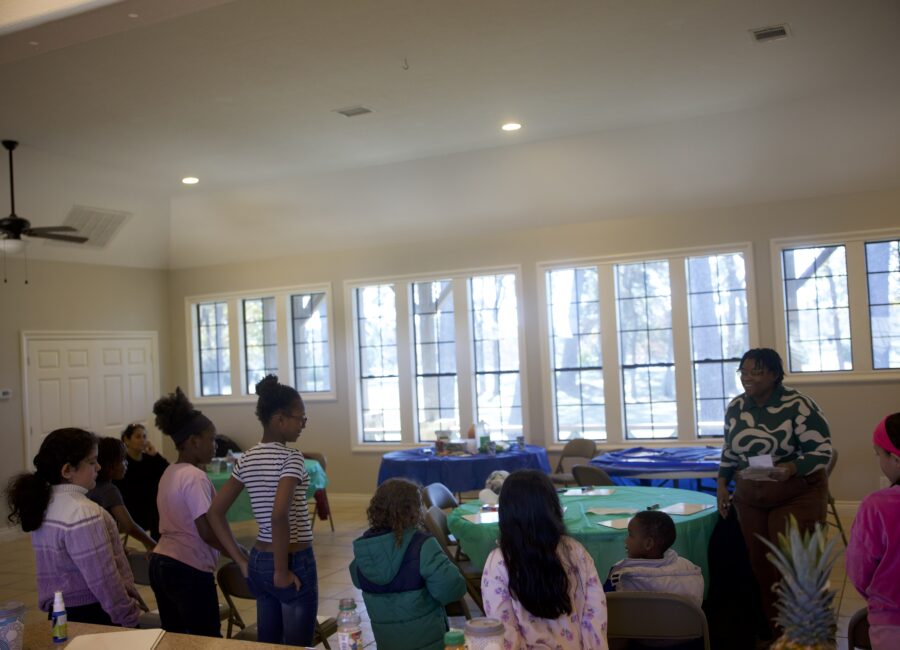
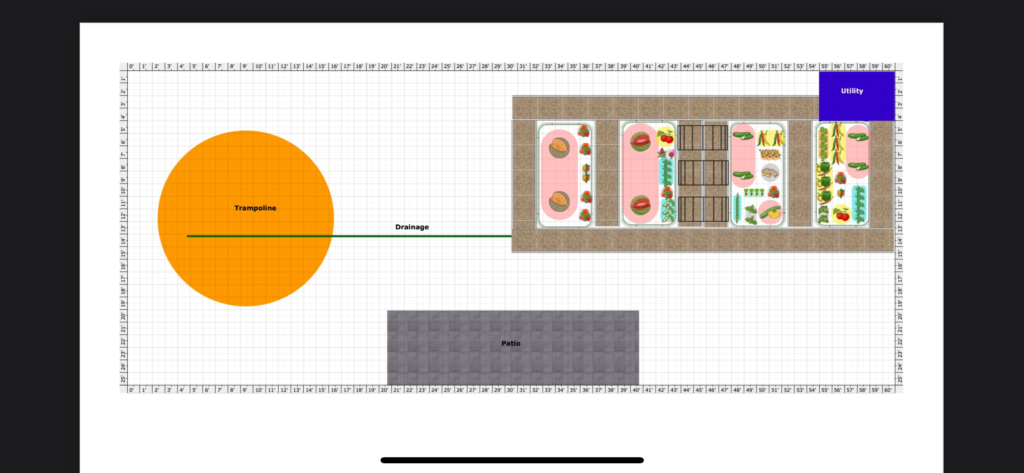
The garden build began with planning. Using a digital garden planning tool, participants explored how to map space, determine bed placement, and visualize how different crops might grow over time.
This activity reinforced spatial reasoning, problem-solving, and the importance of design in agriculture. Rather than guessing where things should go, participants learned that farmers and growers plan with purpose—considering access, spacing, drainage, and long-term use.
Building Infrastructure Before Growing
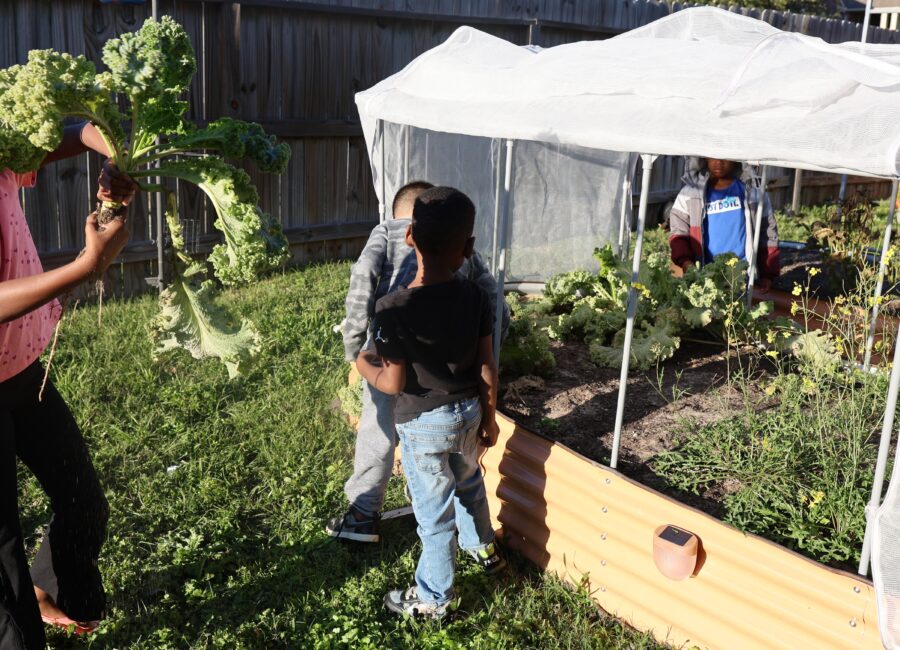
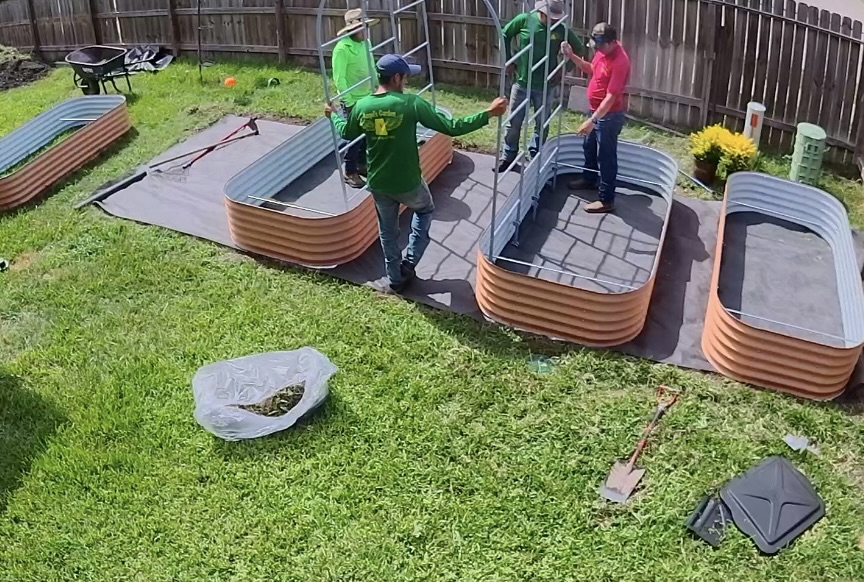
Raised beds, pathways, and support structures were installed to create a functional and accessible growing space. This stage highlighted that gardens are built systems—not just collections of plants.
Participants observed how structure supports efficiency, safety, and long-term use.
Donor Spotlight: Supporting the Foundation
The raised garden beds, arch trellis, and bed covers used in this phase of the project were donated by a generous individual donor. This contribution made it possible to build a durable, accessible growing space and allowed participants to move from planning into implementation.
In-kind donations such as these play a critical role in strengthening educational programs and ensuring that learning environments are built to last.
Preparing the Raised Beds
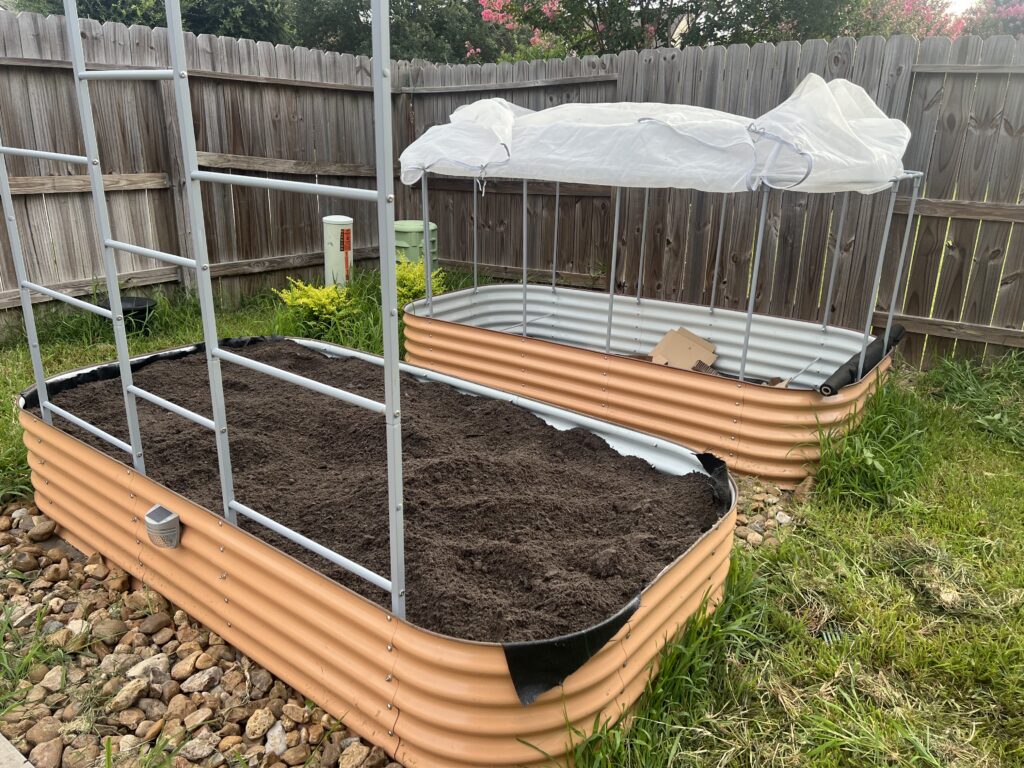
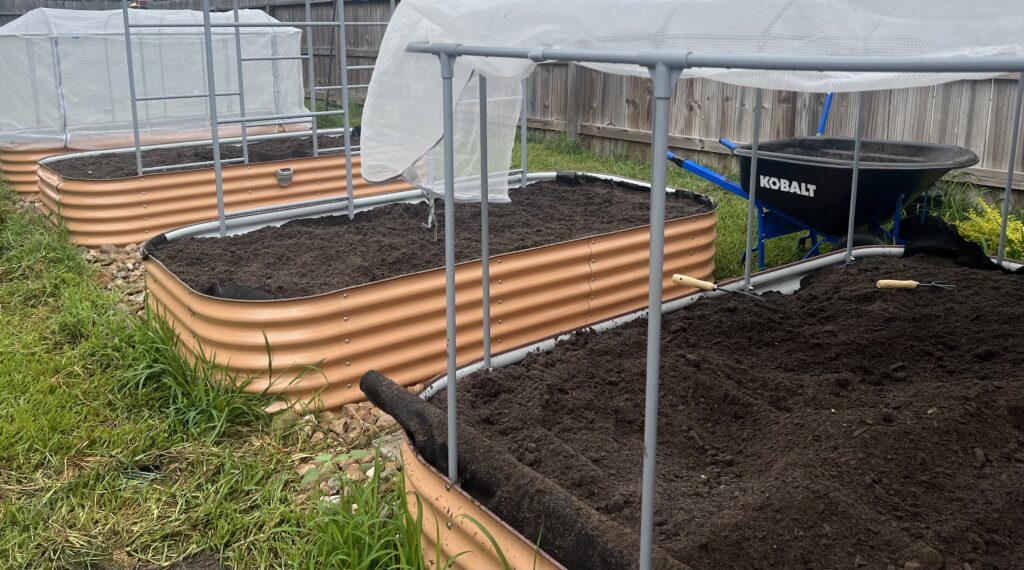
Once the infrastructure was established, participants observed the physical transformation of the space. The beds were prepared in layers, each serving a specific function:
- Landscape fabric was laid to suppress weeds and define growing areas.
- Cardboard was added as a biodegradable barrier, reinforcing weed control while contributing organic matter over time.
- Soil was layered on top to create a healthy growing environment.
This step-by-step approach demonstrated that soil health begins with preparation, not planting.
Soil as a Foundation
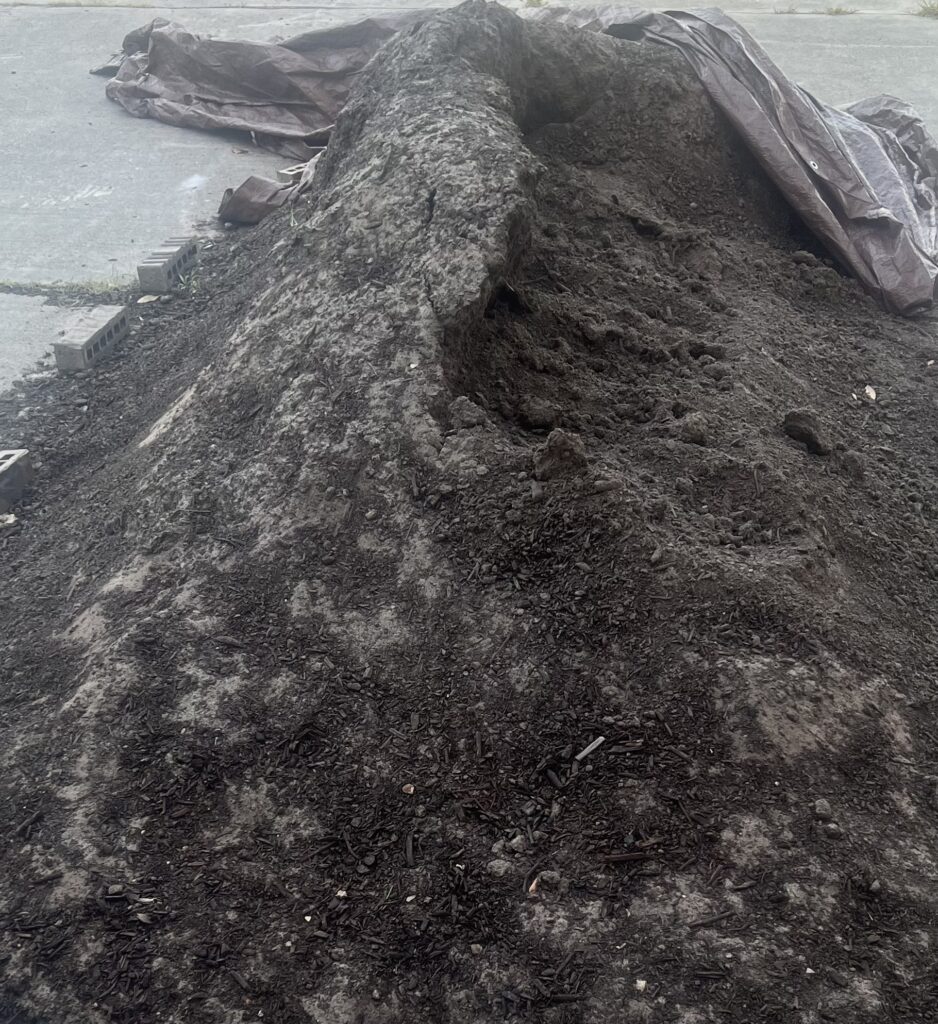
The soil used to fill the beds was organically and locally sourced, reinforcing the importance of knowing where inputs come from and how they impact growing outcomes.
Participants learned that not all soil is the same and that quality inputs matter—just as they did in earlier food preparation and composting activities.
Expansion Beyond the Beds
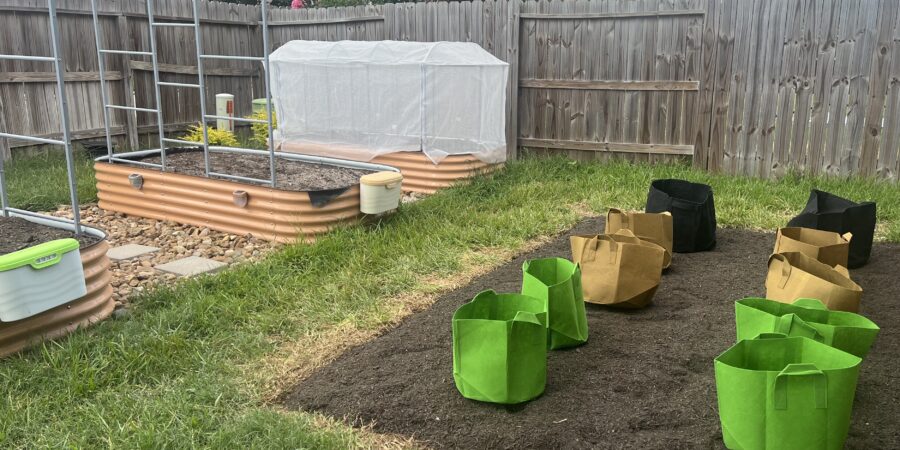
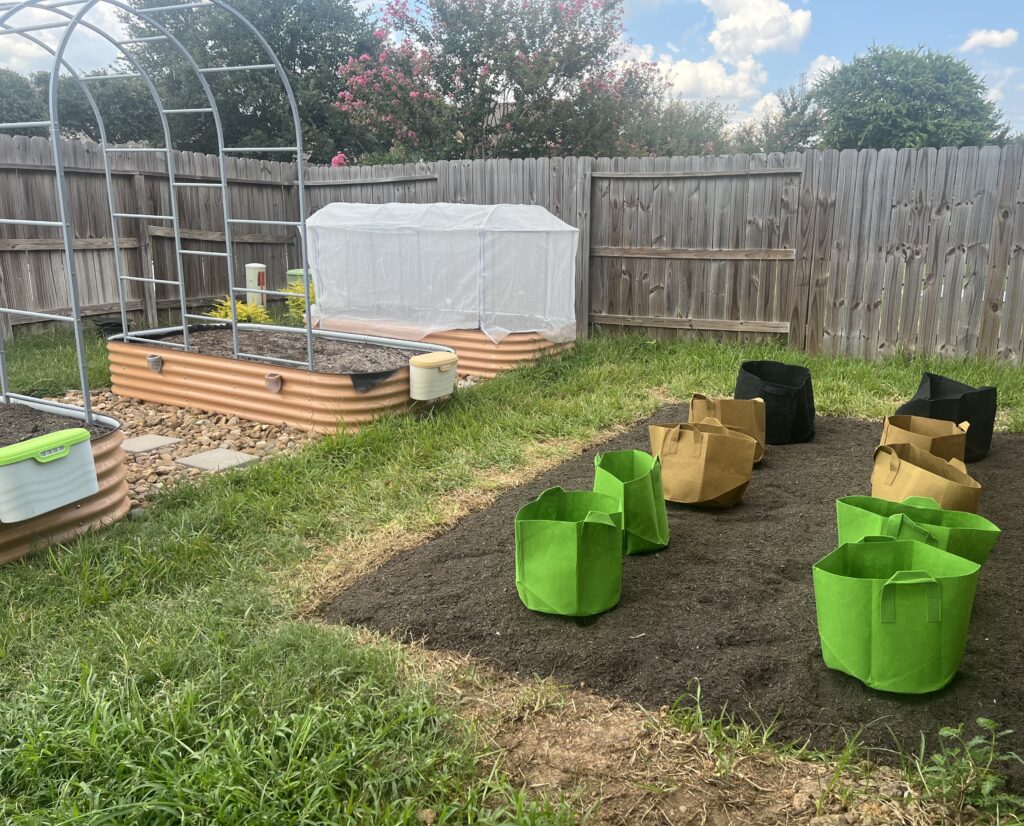
As the garden took shape, we recognized the need to adapt beyond the original design. While our raised beds were carefully planned to support seasonal, annual crops, certain plants—such as mint—require long-term space and can quickly spread if not contained.
To protect the integrity of our seasonal growing beds, we created a dedicated grow bag section outside of the raised beds. This adjustment allowed us to grow non-annual and spreading plants without sacrificing valuable in-bed growing space intended for rotating crops.
This expansion reflects an important lesson we emphasize in our programming: good planning also means knowing when—and how—to adapt. By using grow bags strategically, we preserved the productivity of the main garden while increasing overall growing capacity and teaching participants practical land-use decision-making.
Readiness Before Results
By focusing on preparation, participants learned patience and sequencing. The garden was not rushed into planting. Instead, time was spent ensuring that the foundation was sound.
This reinforced a core lesson of the program: strong outcomes depend on strong preparation.
Learning Spotlight
Key concepts reinforced: planning, sequencing, spatial design, soil health, infrastructure, and agricultural readiness.
👉 This post is part of DHCG’s ongoing series, From Soil to Stewardship, documenting how participants build agricultural knowledge through planning, preparation, and hands-on systems.
View all posts in this series.
👉 Visit our Event Page to join in on the fun!