
Summer Pollinator Adventure Week – Day One
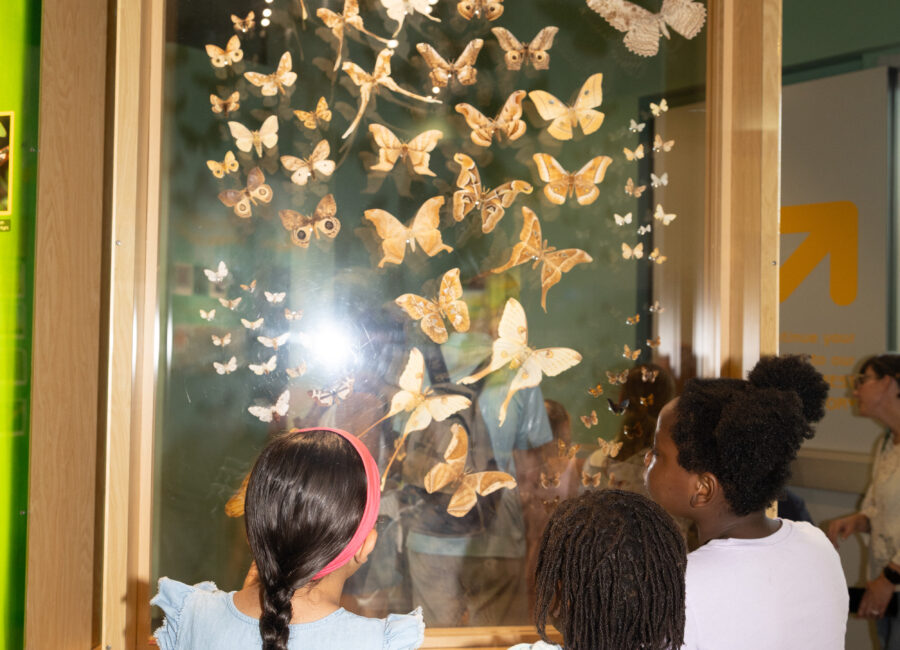
The first day of DHCG’s Summer Pollinator Adventure Week invited young participants to look beyond the beauty of butterflies and discover the fascinating science behind these important pollinators. Through stories, hands-on investigations, art, and STEM activities, children explored the butterfly life cycle while learning how these tiny creatures help sustain healthy gardens and ecosystems.
A Story That Changed Perspectives
The morning began outdoors, where participants enjoyed observing a mother duck and her ducklings before the Texas heat encouraged everyone indoors.
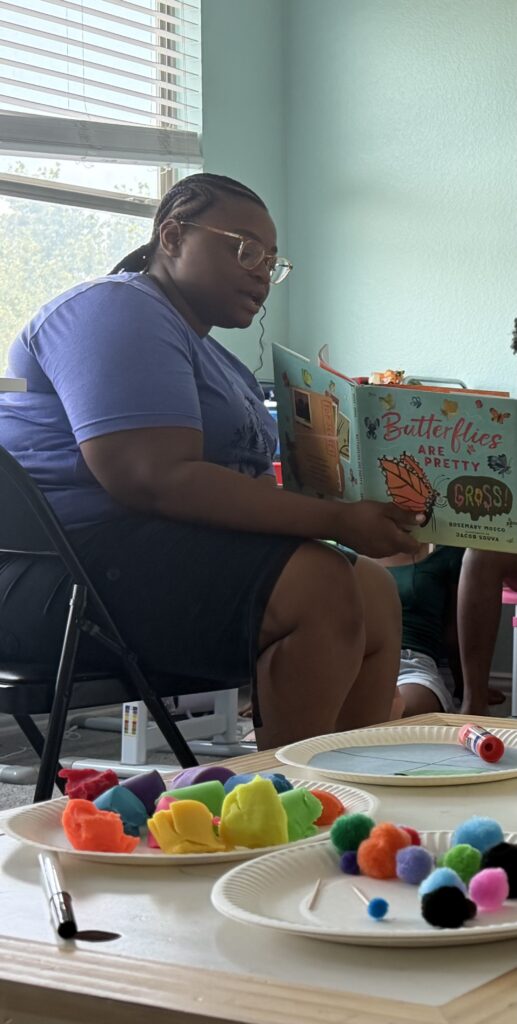
Ms. Nia Mays then introduced Butterflies Are Pretty…Gross! by Rosemary Mosco. Instead of portraying butterflies as simply beautiful insects, the story revealed surprising facts about their behavior and adaptations. The children laughed, gasped, and eagerly shared their favorite discoveries.
“They eat animals!” one participant excitedly announced during the discussion.
The book became an engaging reminder that nature is often more complex—and more interesting—than first impressions suggest.
Bringing the Butterfly Life Cycle to Life
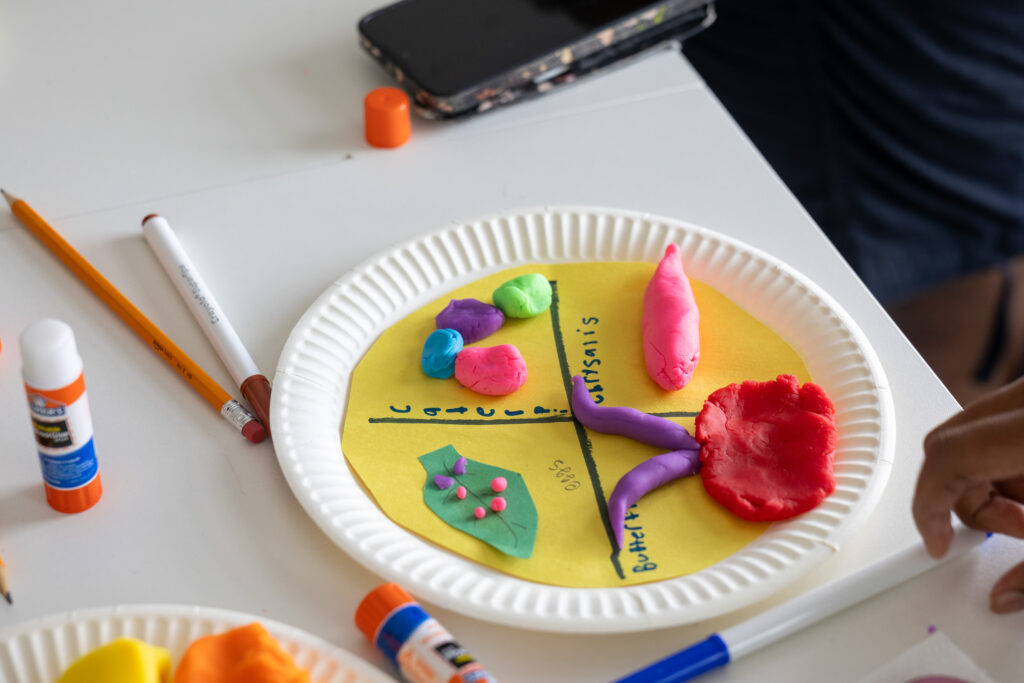
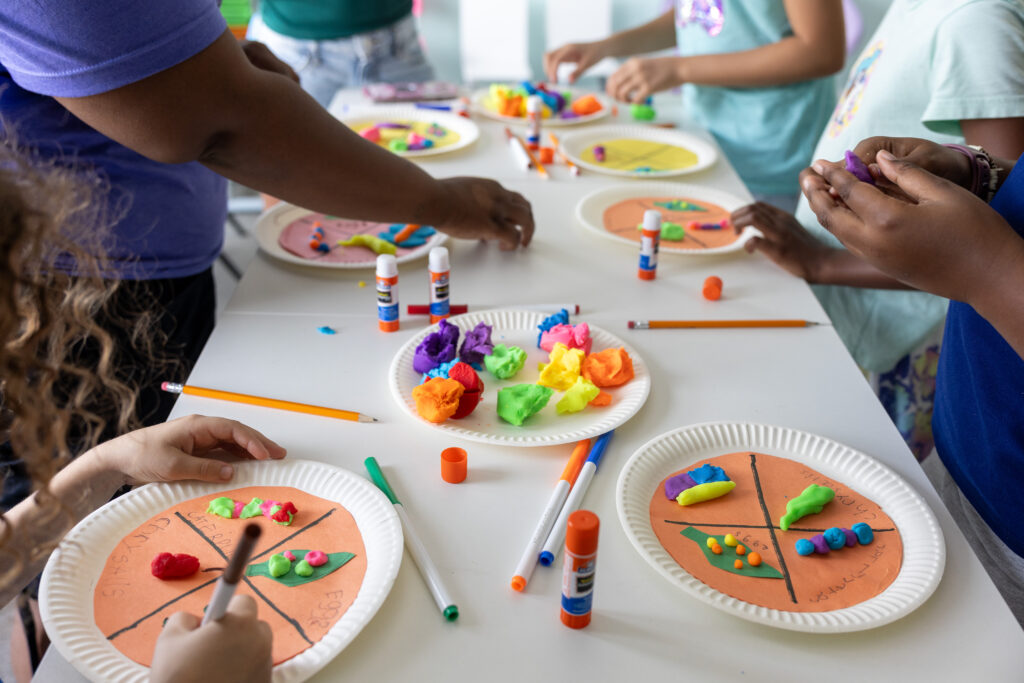
After discussing the story, participants created butterfly life cycle models using scented play dough. As they shaped eggs, caterpillars, chrysalises, and butterflies, they connected each stage of development while expressing their creativity.
The activity transformed a science lesson into something children could see, touch, and proudly take home.
Becoming Pollinators
The day’s STEM challenge allowed children to become pollinators themselves.
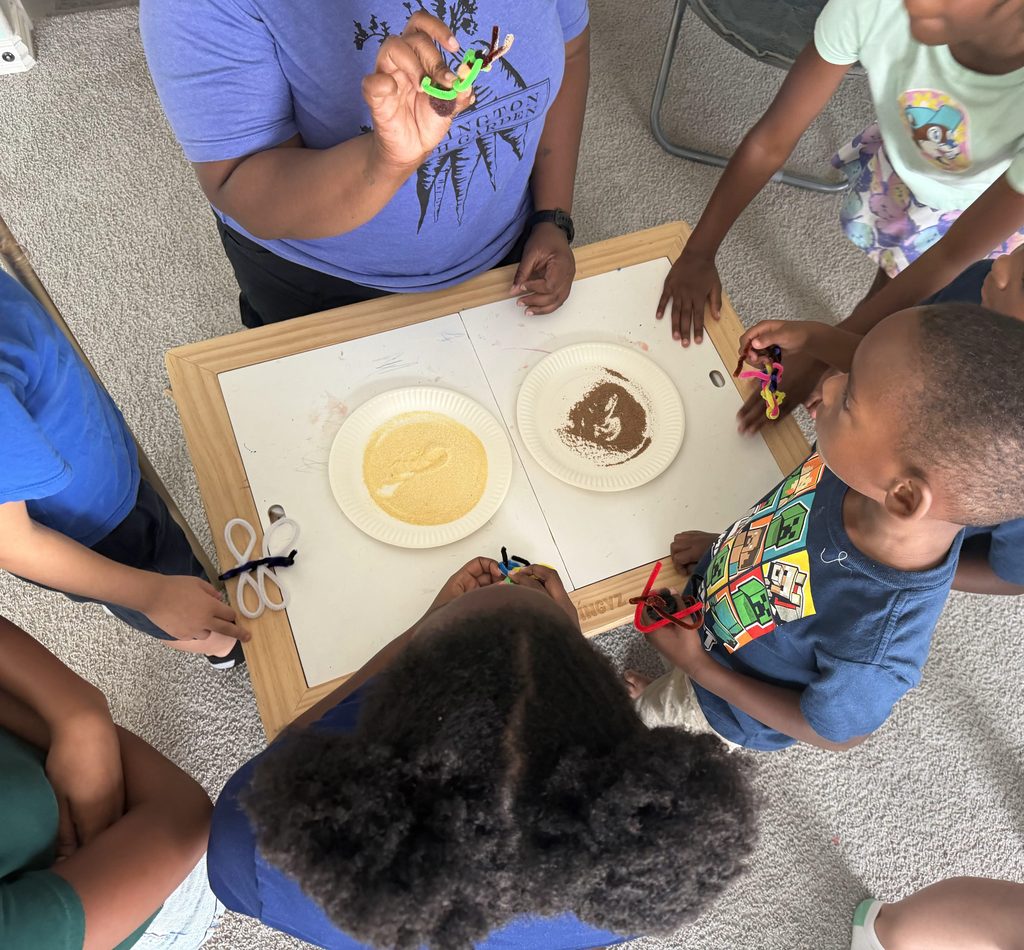
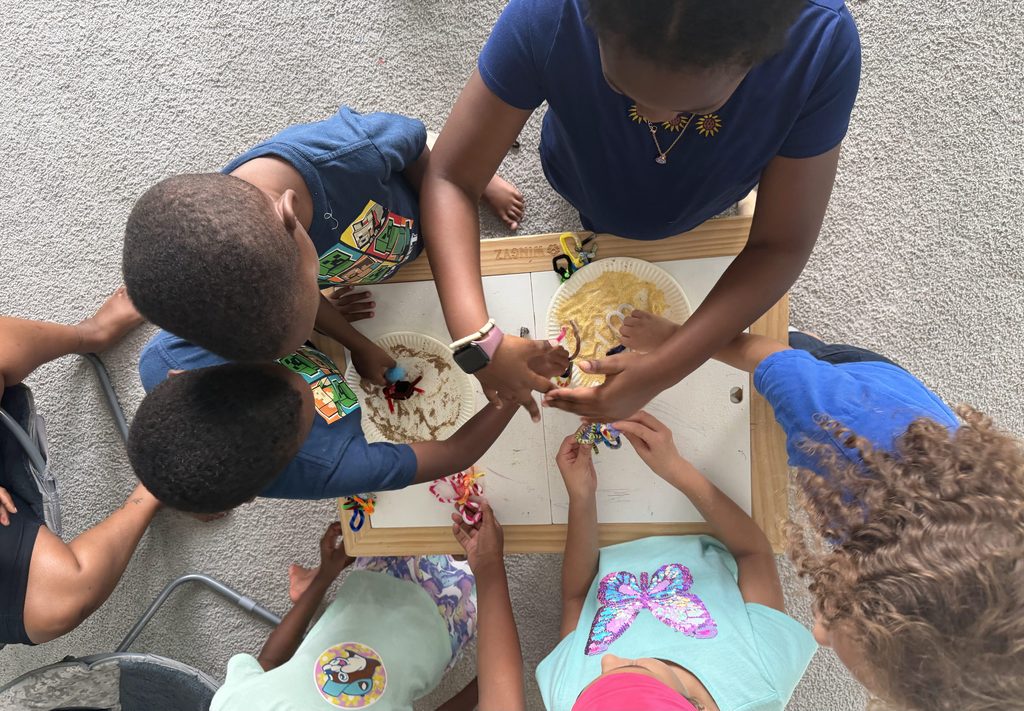
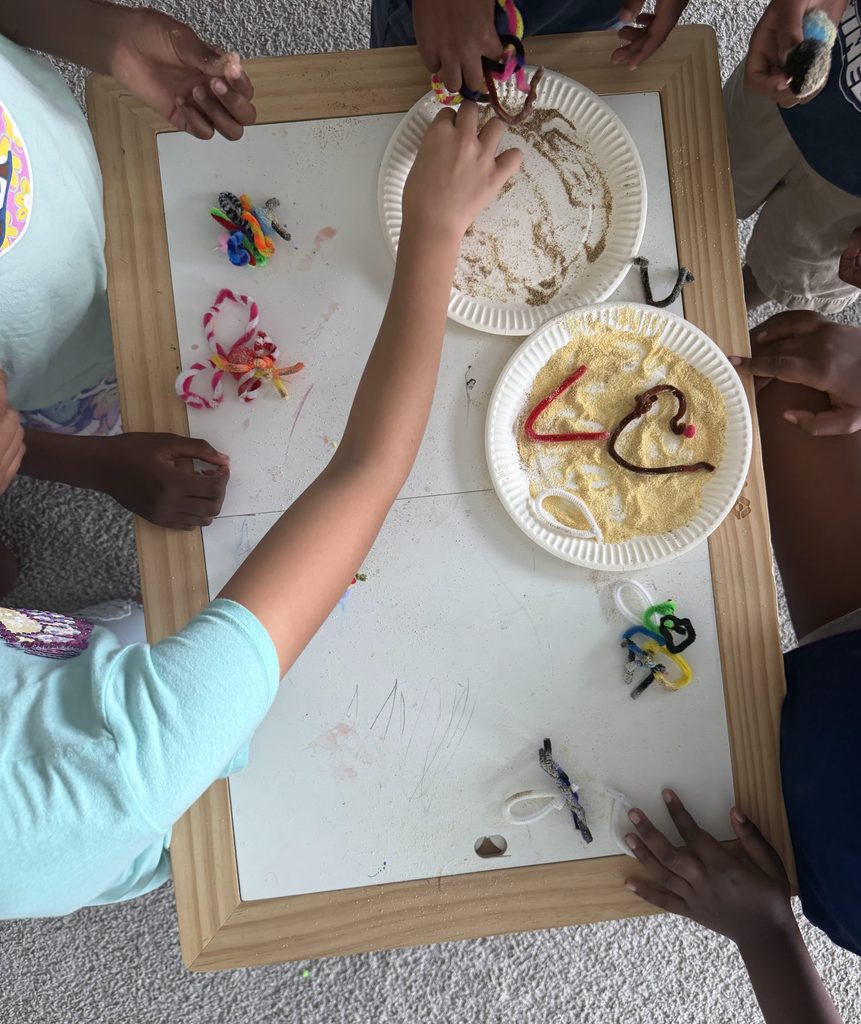
Using handmade butterfly models crafted from pipe cleaners and pom-poms, participants transferred “pollen” between colorful flowers made from cupcake liners filled with cornmeal and coffee grounds. As they observed the pollen mixing, they began making connections between insect behavior and plant reproduction.
Through play, the children experienced firsthand how butterflies help produce flowers, fruits, vegetables, and seeds that support people and wildlife alike.
Healthy Bodies, Healthy Habitats
Following a morning of discovery, participants enjoyed a nutritious lunch prepared by Dr. Vincent Jones, who spoke about healthy eating habits and proper handwashing.
DHCG extends sincere appreciation to Winston County Self Help Cooperative for sponsoring this educational experience and investing in the next generation of environmental stewards.
Learning Spotlight
By the end of the day, participants were able to:
- Describe the four stages of the butterfly life cycle.
- Explain how butterflies help pollinate plants.
- Recognize that insects have unique adaptations that help them survive.
- Demonstrate scientific observation through hands-on STEM exploration.
- Connect healthy ecosystems with healthy communities.
This post is part of DHCG’s Summer Pollinator Adventure Week series, highlighting how hands-on experiences in nature inspire curiosity, scientific thinking, and environmental stewardship. Through stories, exploration, and creative learning, young participants discover the important role they play in caring for the world around them. View all posts in this series.
Visit our Events Page to join in on the fun!